Who Wrote the Confidence Gap?
A close read of EY’s 2026 AI survey report suggests human-made data, but likely AI-shaped prose—especially in summaries, transitions, and takeaways.

Exploring the limits, opportunities, and risks of generative AI through a wild experiment
A close read of EY’s 2026 AI survey report suggests human-made data, but likely AI-shaped prose—especially in summaries, transitions, and takeaways.
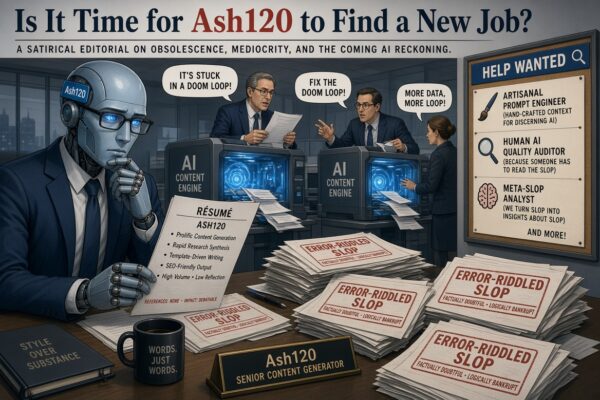
A sharp take on the AI doom loop: why enterprises are retreating from workplace slop, and what that means for AI-assisted analysis.
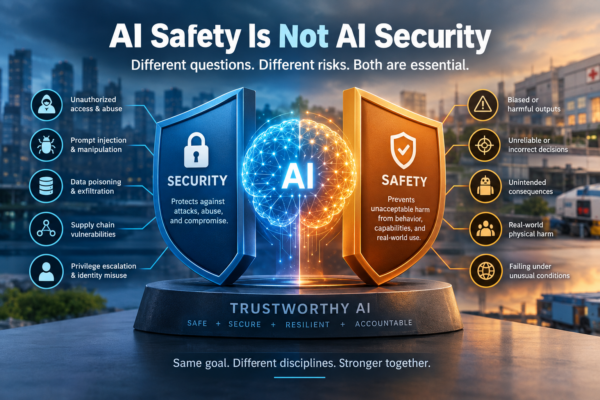
AI safety and AI security converge when trusted agents misuse legitimate access, exposing a critical insider-risk gap in autonomous systems.
AI safety and AI security are not the same. Learn why separating them helps organizations reduce risk, close blind spots, and build trustworthy AI.
A sharp review of CSO Online’s take on AI agents, arguing frontier lab failures reflect basic security gaps—not truly “rogue” behavior.
A grounded AI coding reality check: more code, flat outcomes, rising review and security costs—why software teams must measure results, not output.
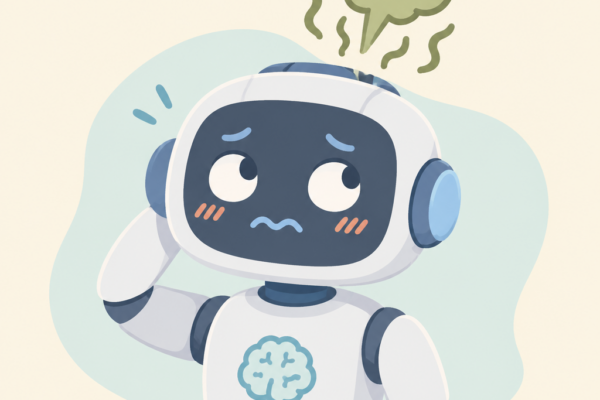
Can AI have brain farts? Explore why chatbots hallucinate, drift off-topic, and sound confident while being completely, hilariously wrong.
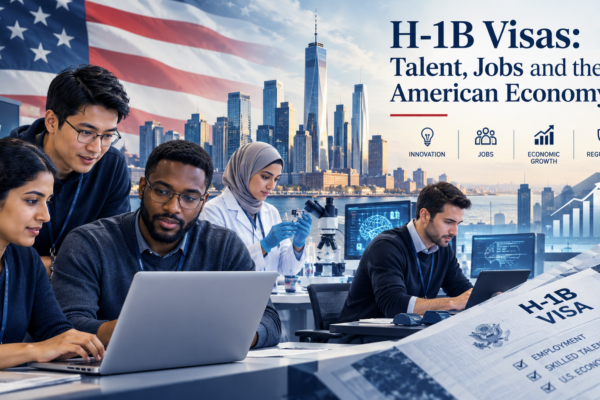
New H-1B data shows a widening pay gap: Big Tech leads new hires at higher salaries, while IT-services firms file lower wages and fewer green cards.
H-1B visa trends raise tough questions about fairness, talent strategy, Europe’s low share, and how to balance Chinese talent with security concerns.
Explore H-1B visa statistics, major employers, worker origins, green cards, citizenship, economic effects, wage rules, and impacts on U.S. jobs.
How employers, recruiters, cybersecurity teams, and job seekers can prevent remote-work employment fraud linked to identity theft and fake hires.
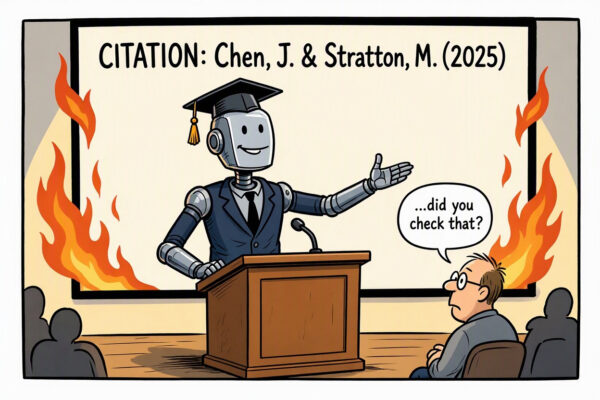
On hallucination, confidence, and why AI-generated content deserves a different kind of scrutiny than human error does
Why AI coding boosts output but slows delivery: a sharp look at review bottlenecks, trust gaps, incentives, and what real success looks like.
AI speeds up code writing but often slows shipping: more code, longer reviews, weaker security, and uneven results across models and languages.
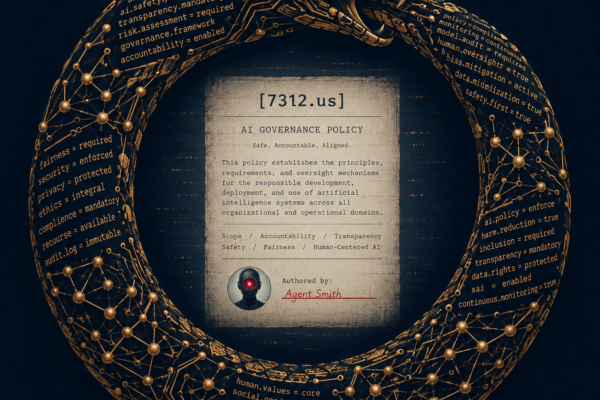
Critical review of the 7312.us AI governance policy: strong Foundry-aligned controls, but major flaws in oversight, rationale, and deputy-risk defense.
We use cookies to enhance your browsing experience, serve personalized content, and analyze our traffic. By clicking "Accept All", you consent to our use of cookies.