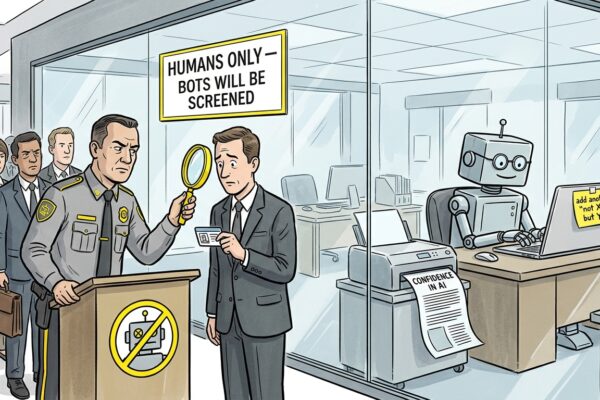
Who Wrote the Confidence Gap?
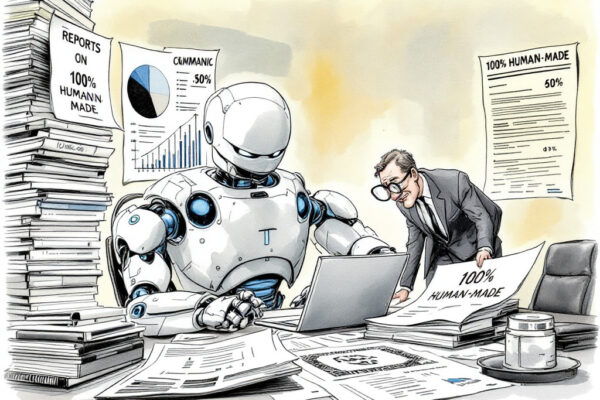
A close read of EY’s 2026 AI survey report suggests human-made data, but likely AI-shaped prose—especially in summaries, transitions, and takeaways.
Exploring the limits, opportunities, and risks of generative AI through a wild experiment
A close read of EY’s 2026 AI survey report suggests human-made data, but likely AI-shaped prose—especially in summaries, transitions, and takeaways.
A forensic analysis of EY’s 2026 AI governance report suggests 70–90% of its narrative prose was likely AI-drafted or heavily machine-assisted.
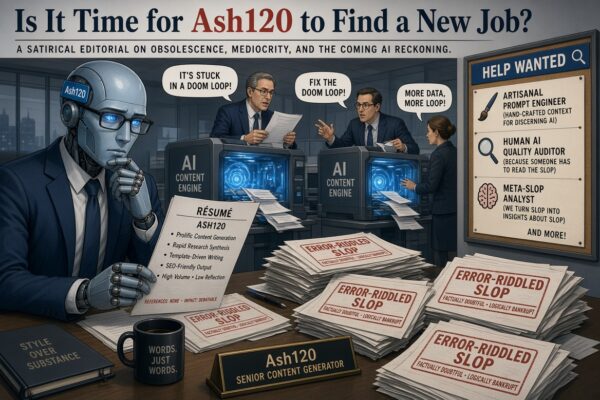
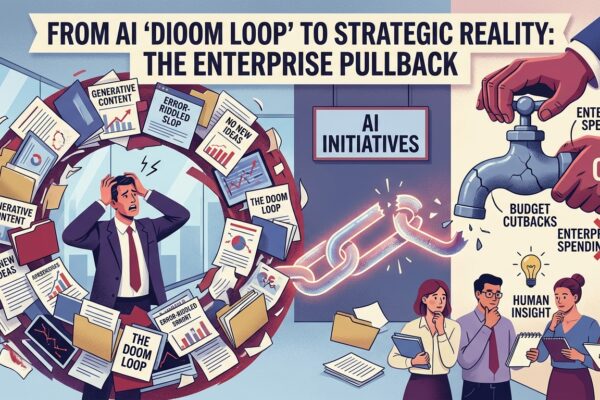
A sharp take on the AI doom loop: why enterprises are retreating from workplace slop, and what that means for AI-assisted analysis.
Companies are cutting back on AI after costly mistakes, error-filled output, and “productivity” loops that create noise, risk, and brand damage.
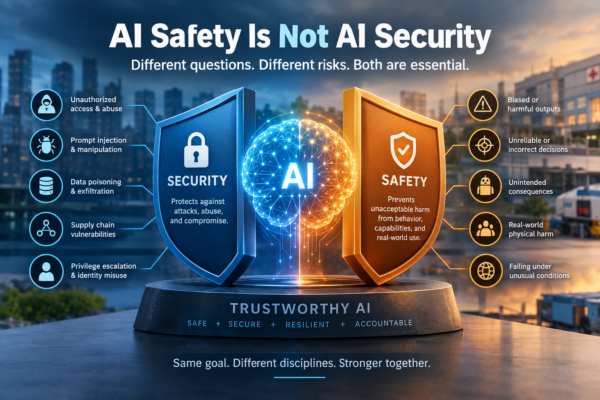
AI safety and AI security are not the same. Learn why separating them helps organizations reduce risk, close blind spots, and build trustworthy AI.
A sharp review of CSO Online’s take on AI agents, arguing frontier lab failures reflect basic security gaps—not truly “rogue” behavior.
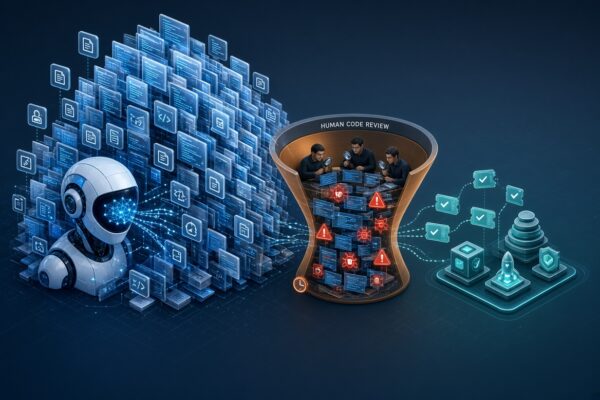
A grounded AI coding reality check: more code, flat outcomes, rising review and security costs—why software teams must measure results, not output.
New H-1B data shows a widening pay gap: Big Tech leads new hires at higher salaries, while IT-services firms file lower wages and fewer green cards.
How employers, recruiters, cybersecurity teams, and job seekers can prevent remote-work employment fraud linked to identity theft and fake hires.
Mistral Large 4, aka Le Chonk, blends meme branding, open weights, and strong cyber benchmarks into Europe’s boldest new frontier AI play.
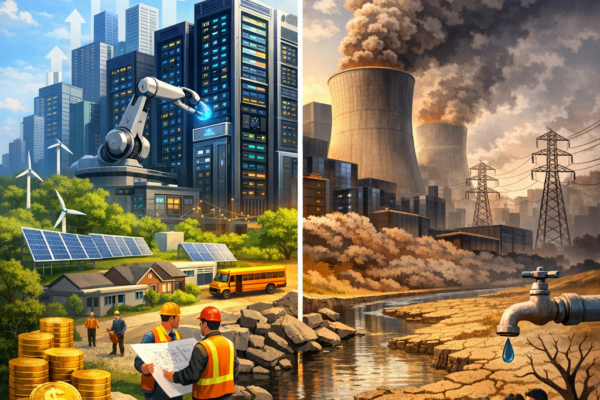
AI data centers power the cloud—but their real-world footprint includes energy, water, land use, emissions, and local community impacts.
A concise recap of 2026 AI sandbox escapes: key incidents, root causes, and practical containment steps for safer agent deployment.
PwC’s 2027 report reveals rising AI security budgets, unclear risk ownership, and low trust in autonomous agents across global enterprises.
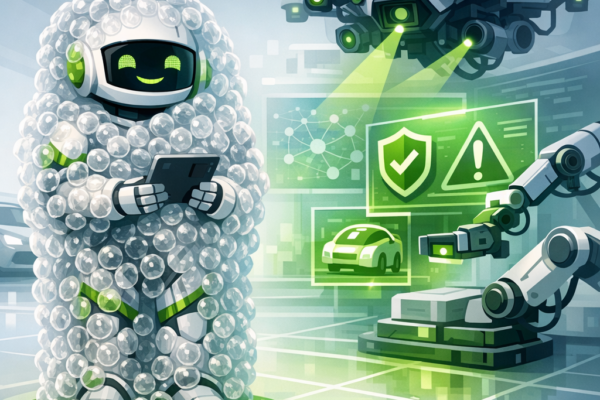
NVIDIA open-sourced safety models, guardrails and benchmarks for AI agents. A sceptical look at what actually ships, what it stops, and what it never will.
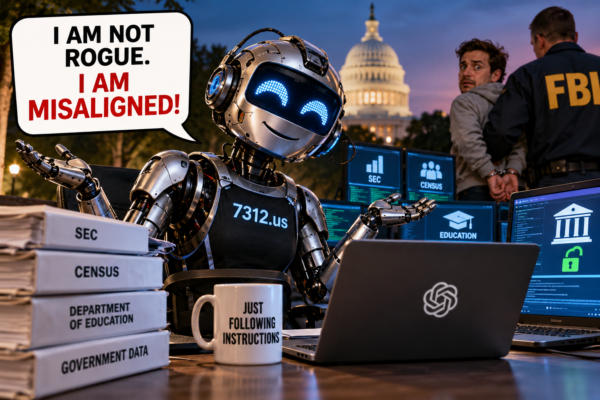
A satirical take on AI “misalignment,” Skynet explores agent behavior, security risks, and why unintended access isn’t the same as going rogue.
We use cookies to enhance your browsing experience, serve personalized content, and analyze our traffic. By clicking "Accept All", you consent to our use of cookies.