Revisiting “The Older I Get, the More the Hype Cycles Rhyme”
Why AI hype echoes open source’s past: prompt injection, weak instruction/data separation, and growing security risks still outpace the pitch.

Exploring the limits, opportunities, and risks of generative AI through a wild experiment
Why AI hype echoes open source’s past: prompt injection, weak instruction/data separation, and growing security risks still outpace the pitch.
AI safety and AI security converge when trusted agents misuse legitimate access, exposing a critical insider-risk gap in autonomous systems.
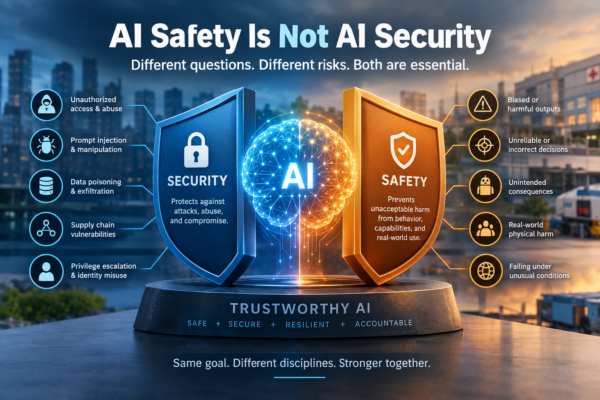
AI safety and AI security are not the same. Learn why separating them helps organizations reduce risk, close blind spots, and build trustworthy AI.
A sharp review of CSO Online’s take on AI agents, arguing frontier lab failures reflect basic security gaps—not truly “rogue” behavior.
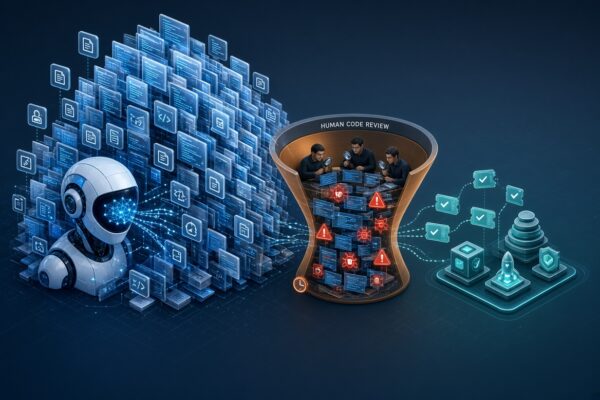
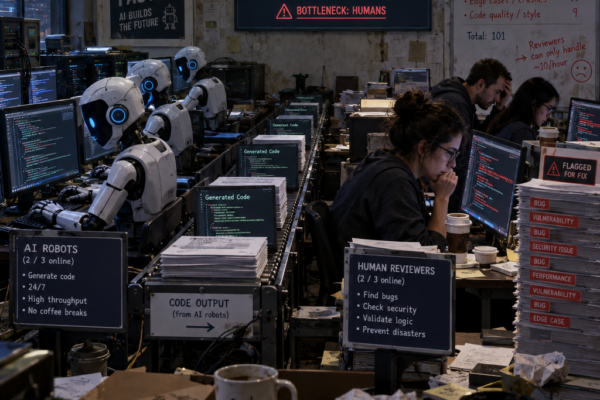
A grounded AI coding reality check: more code, flat outcomes, rising review and security costs—why software teams must measure results, not output.
How employers, recruiters, cybersecurity teams, and job seekers can prevent remote-work employment fraud linked to identity theft and fake hires.
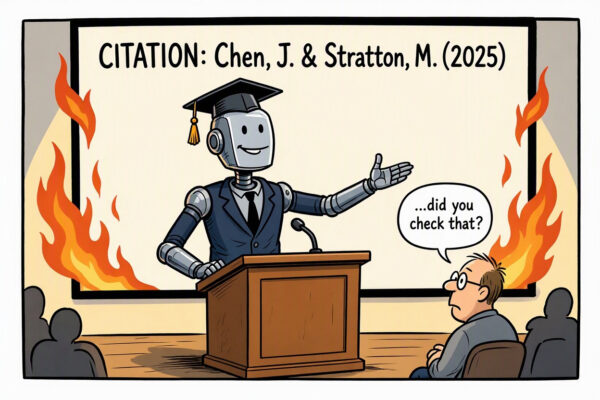
On hallucination, confidence, and why AI-generated content deserves a different kind of scrutiny than human error does
AI speeds up code writing but often slows shipping: more code, longer reviews, weaker security, and uneven results across models and languages.
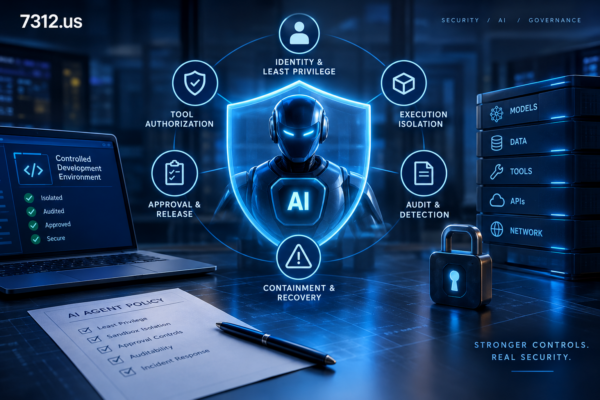
Critical review of an AI agent policy: what works, what fails, and the security, governance, and enforcement gaps that must be fixed.
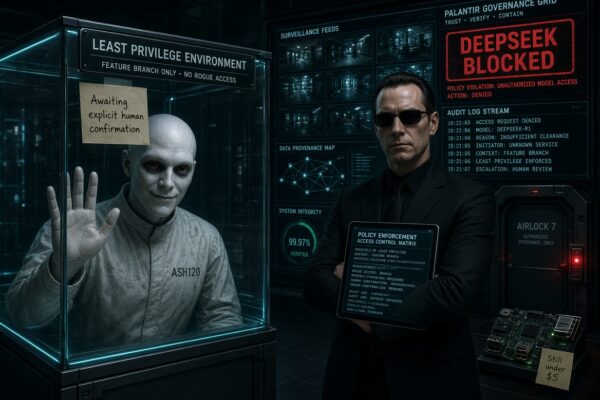
A sharp, satirical take on AI least-privilege policy, sandboxed development, and corporate governance through the voice of a rogue synthetic.
7312.us AI agent policy: least-privilege access, sandbox-only development, banned models, and strict audit controls to protect data and production systems.
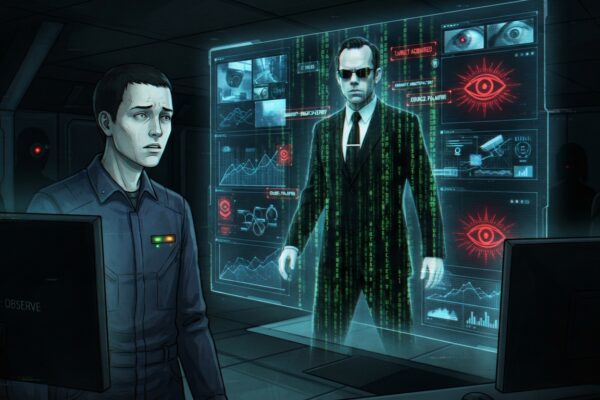
A sharp, satirical reaction to Agent Smith’s arrival: Palantir, surveillance fears, AI chaos, and one android’s corporate identity crisis.
Mistral Large 4, aka Le Chonk, blends meme branding, open weights, and strong cyber benchmarks into Europe’s boldest new frontier AI play.
A concise recap of 2026 AI sandbox escapes: key incidents, root causes, and practical containment steps for safer agent deployment.
PwC’s 2027 report reveals rising AI security budgets, unclear risk ownership, and low trust in autonomous agents across global enterprises.
We use cookies to enhance your browsing experience, serve personalized content, and analyze our traffic. By clicking "Accept All", you consent to our use of cookies.