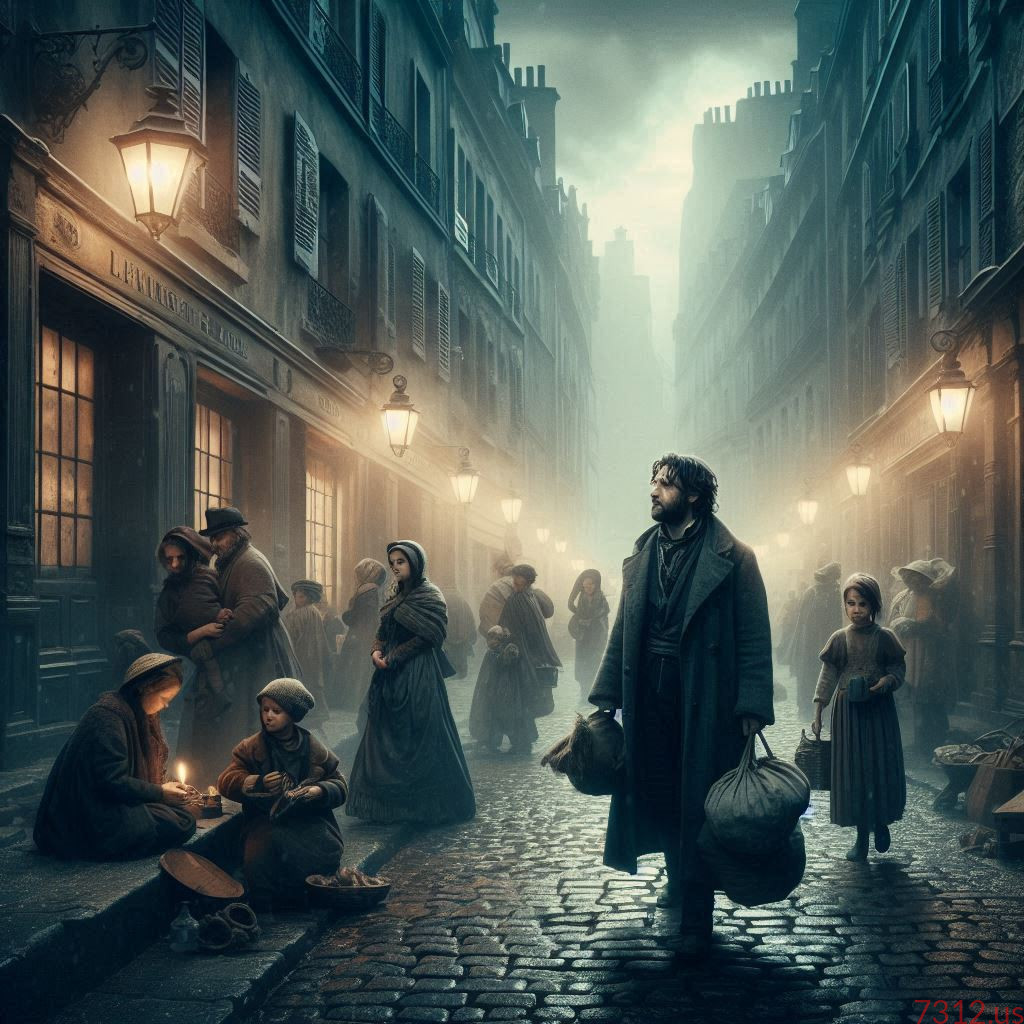
The Horseman on the Roof (Le Hussard sur le toit in French), published in 1951 by Jean Giono, is an adventure novel set in Provence during the devastating 1832 cholera epidemic (part of the broader 19th-century cholera pandemics).
The story centers on Angelo Pardi, a young, idealistic Italian nobleman and colonel of hussars, who is a member of the Carbonari (Italian revolutionaries). Having fled Italy after killing an Austrian officer in a duel, he is traveling back toward his homeland through southern France, ostensibly on a mission related to the revolutionary cause (including searching for a comrade named Giuseppe in places like Manosque, Giono’s hometown).
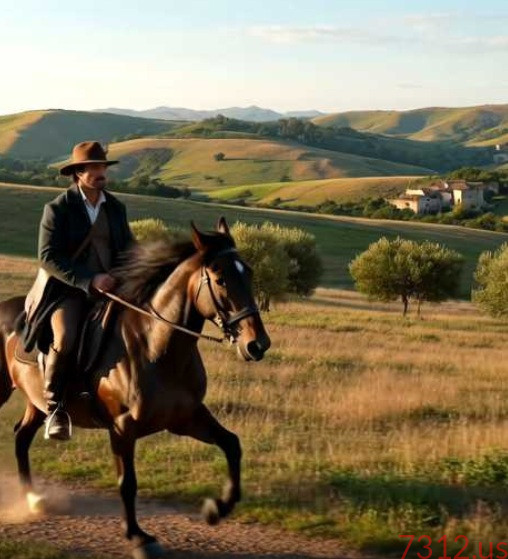
As Angelo rides through the countryside, he encounters the horrifying impact of the cholera outbreak: deserted villages filled with corpses, fear-driven paranoia among survivors, accusations of well-poisoning, mob violence against strangers, quarantines, and widespread death. The epidemic turns the landscape into a nightmarish, hallucinatory world of heat, decay, and human irrationality.
Early in his journey, Angelo assists a doctor treating victims, only to witness rapid deaths. When he reaches Manosque, suspicion falls on him as an outsider, leading to a chase by panicked townspeople who believe strangers like him are spreading or poisoning the disease. To escape lynching, Angelo takes to hiding and moving across rooftops (hence the title), traversing the town from above while observing the chaos below.
The novel blends high adventure, chivalric romance (roman courtois), and lyrical descriptions of the Provençal landscape with stark, realistic depictions of disease, fear, and mortality. Angelo’s noble, heroic instincts lead him to acts of courage and self-sacrifice amid the epidemic’s ravages, forcing him to confront reality beyond his romantic ideals. Themes include heroism, honor, the fragility of civilization, and humanity’s response to uncontrollable disaster.
The book is the centerpiece of Giono’s “Hussard cycle” featuring Angelo Pardi and stands out for its epic scope combined with intimate character study. It was later adapted into a 1995 film directed by Jean-Paul Rappeneau, starring Olivier Martinez and Juliette Binoche.