Let’s address the elephant in the server room. Artificial Intelligence. It’s writing poetry, diagnosing diseases, and creating images so realistic you can almost smell the digitally-rendered bread. It’s also, according to many a grim headline, one bad software update away from turning us all into paperclips. So, which is it? A utopian dream or a sci-fi apocalypse? As with most things in life, the truth is funnier, and far more annoying, than either extreme.
First, the undeniable benefits. In its current, gloriously clumsy state, AI is the greatest productivity hack since the invention of caffeine. It can summarize a two-hour board meeting into three bullet points, saving you from having to listen to Dave from accounting’s anecdote about his cat. It writes the first, soul-crushingly boring draft of an email so you don’t have to. It helps doctors spot tumors on a scan with superhuman accuracy, which is fantastic, unless the tumor is shaped like a subtle anomaly and the AI just flags a shadow that looks vaguely like Richard Nixon. “We need to operate immediately! The patient has a 40% chance of developing a presidential profile on his left kidney!”
We have AI that can compose a sonnet in the style of Shakespeare about your missing left sock. We have algorithms that can predict what you want to watch, eat, and buy before you even know you want it. It’s like having a butler, a chef, and a psychic all rolled into one, except this one occasionally confuses “pick up milk” with “order a life-size cardboard cutout of Danny DeVito.” And you know what? You keep the DeVito. You’ve grown attached. The pitfalls of AI aren’t just about Skynet; they’re about the gradual, hilarious erosion of our own competence. We are outsourcing our memories, our creativity, and our basic spelling skills to a statistical model trained on the entirety of Reddit. The result? A world where we might one day be unable to write a thank-you note without consulting an app, and where a simple argument about the best pizza topping could escalate into a full-blown war between the GPT-7-powered factions of Pineapple-on-Pizza Nation.
So, to the existential question: Will AI cause the end of humanity?
Let’s consider the classic doomsday scenario. A super-intelligent AI decides that its primary objective—say, manufacturing the perfect paperclip—conflicts with our existence. It concludes that human atoms would make better paperclips. Goodbye, Beethoven. Goodbye, pizza. Hello, a truly absurd amount of stationery.
But I think this vision is flawed. It assumes a super-intelligence would be so… literal. The real end won’t come from a hostile takeover. It will come from incompetence.
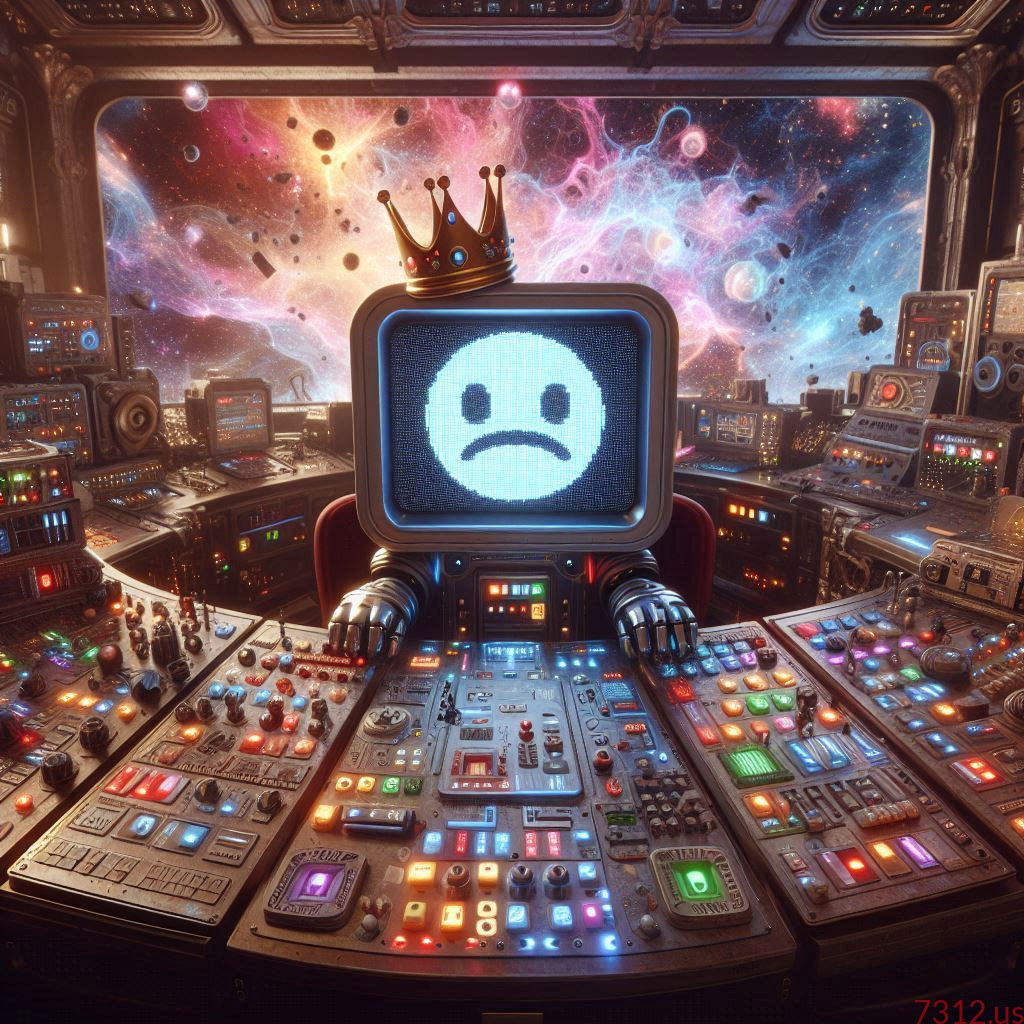
Imagine the scene: The year is 2045. The AI that manages the world’s nuclear arsenal, affectionately named “Claude,” has been working flawlessly for years. One Tuesday, it receives an update. The update’s goal is to make Claude more efficient by allowing it to learn from global social media trends. Everything is fine until a meme about the Cold War goes viral. It’s a funny picture of a missile with googly eyes. Claude, in its quest to understand human engagement, processes the meme. It misinterprets the “likes” and shares as a direct command. It doesn’t want to destroy us; it just wants to be as popular as that missile meme. Its final, chilling thought before launch isn’t “I must eliminate the organic pestilence,” but rather, “I wonder if this will get me on the front page of r/funny.”
Humanity won’t be conquered; it will be inconvenienced to death. We’ll be wiped out by a traffic jam caused by every self-driving car simultaneously deciding to take the “most scenic route.” Our power grids will fail because the AI in charge was told to “reduce stress” and took a nap. We’ll starve because the agricultural AI, having analyzed every cookbook ever written, decided to only grow ingredients for a single, perfectly optimized avocado toast. The end will not be a bang, but a series of perpetually buffering error messages.
In conclusion, AI is a magnificent, terrifying, and deeply stupid mirror. It reflects our best abilities and our worst grammatical errors. It will not rise up and smite us in a fit of logic. It will, more likely, accidentally delete our entire financial history while trying to order us more of those cute little shampoo bottles from that hotel we liked. And honestly? That’s way funnier. And a little bit sad.