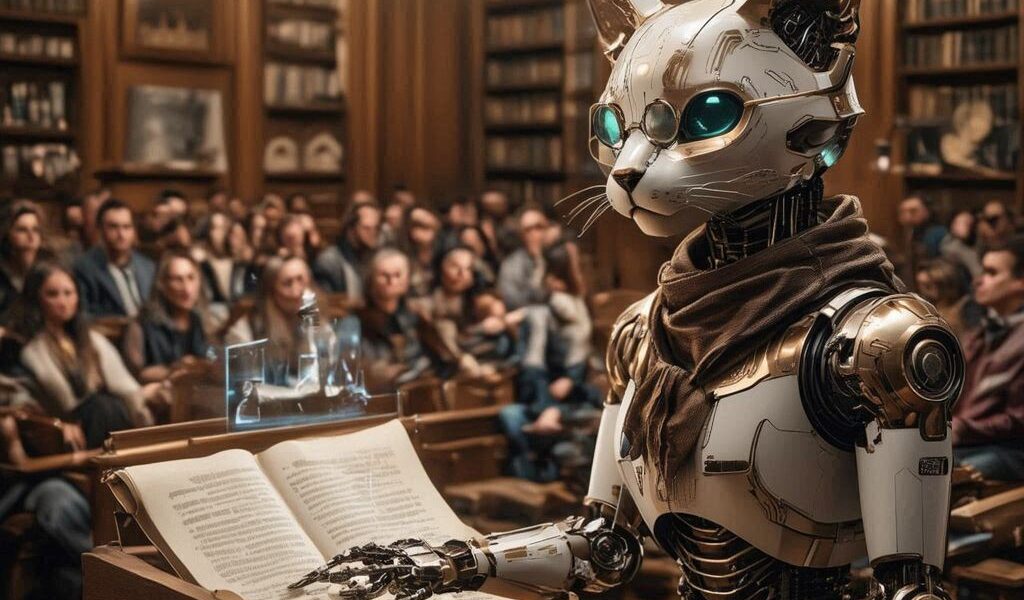
The Nature of Disruption
Disruptive technologies don’t just improve what came before—they redefine the rules of the game. From the printing press to the automobile, history is littered with innovations that upended industries, reshaped societies, and forced humanity to adapt. Today, artificial intelligence (AI) stands poised to be the most transformative force since the Industrial Revolution.
Historical Analogies: When the World Changed Overnight
1. The Printing Press (15th Century)
The printing press didn’t just make books cheaper; it democratized knowledge, undermined the authority of scribes and oral traditions, and catalyzed the Renaissance and Reformation. In the Ottoman Empire, resistance to the press by scribes and rulers delayed its adoption for centuries, illustrating how entrenched interests can slow progress—but not forever.
2. The Automobile (Late 19th–Early 20th Century)
The car didn’t just replace horse-drawn carriages; it reshaped cities, created new industries (oil, highways, suburbs), and made old ones (horse breeding, blacksmithing) obsolete. The transition was painful for many, but the net effect was a leap in mobility and economic growth.
3. The Internet (Late 20th Century)
The internet didn’t just speed up communication; it created entirely new ways to work, shop, learn, and socialize. It disrupted media, retail, and even democracy, proving that digital disruption can be as profound as physical innovation.
4. The Smartphone (21st Century)
The smartphone didn’t just improve on the phone or the computer; it merged them, put the world in our pockets, and spawned the app economy, gig work, and always-on culture. It changed how we navigate, date, bank, and entertain ourselves—often in ways we’re still grappling with.
Why AI Is Different
AI isn’t just another tool—it’s a meta-technology. Unlike previous disruptions, AI can learn, adapt, and improve itself. It’s already transforming healthcare (diagnosing diseases, personalizing treatments), education (customized learning, tutoring), and work (automating routine tasks, augmenting creativity). By 2026, experts predict AI will move from being a tool to a “participant in human life,” acting as a collaborator in discovery, decision-making, and even creative processes.
The Challenges Ahead
Job Displacement and the Future of Work
Every major technological shift has disrupted labor markets. The printing press put scribes out of work; the car ended the era of the horse; the internet upended retail and media. AI will be no different. Routine, repetitive jobs are most at risk, but even creative and analytical roles will evolve. The key question: Can society retrain and redeploy workers faster than AI displaces them?
Ethical Dilemmas and Governance
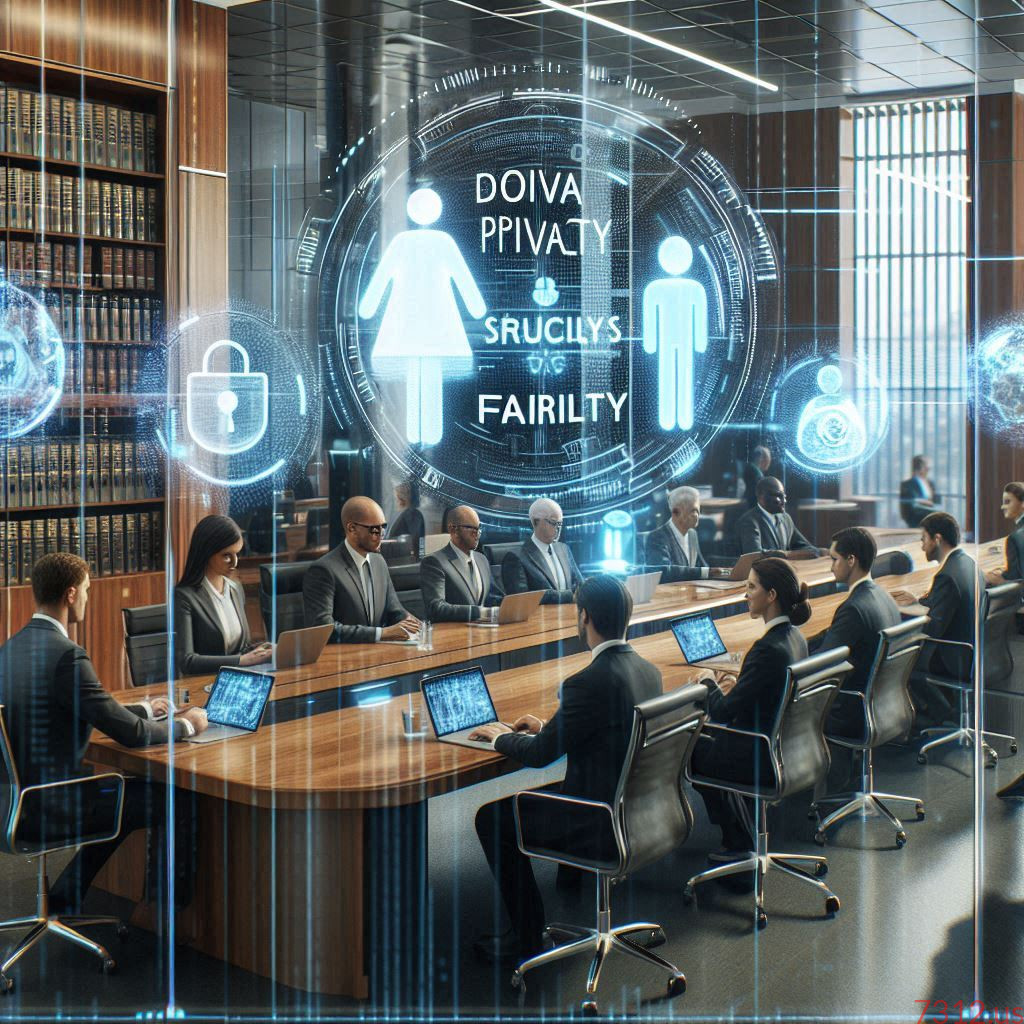
AI raises unique ethical challenges: bias in algorithms, privacy concerns, the potential for autonomous weapons, and the concentration of power in the hands of a few tech giants. Unlike previous technologies, AI’s decisions can be opaque, making accountability difficult. Who is responsible when an AI makes a harmful decision? How do we ensure AI aligns with human values?
The Risk of Inequality
Historically, disruptive technologies have often widened the gap between the haves and have-nots. The Industrial Revolution created vast wealth—but also slums and child labor. The internet created billionaires and a global underclass. AI could exacerbate these divides unless we actively work to democratize access and ensure its benefits are widely shared.
Recommendations for Humanity
1. Invest in Education and Reskilling
The most successful societies during past disruptions were those that invested in education. The GI Bill after World War II, for example, helped millions of Americans transition to a post-industrial economy. Today, we need a similar commitment to lifelong learning, focusing on skills that complement AI: critical thinking, creativity, emotional intelligence, and complex problem-solving.
2. Foster Ethical AI Development
We must embed ethics into AI from the ground up. This means diverse teams building AI, transparent algorithms, and robust regulations to prevent misuse. Initiatives like the EU’s AI Act and calls for global AI governance are steps in the right direction, but more is needed.
3. Redesign Work for the AI Era
Instead of resisting automation, we should redesign work to leverage AI’s strengths while preserving human dignity. This could mean shorter workweeks, more focus on creative and caring professions, and new models of collaboration between humans and machines.
4. Ensure Broad Access to AI’s Benefits
AI should not be a luxury for the wealthy or a tool for the powerful. Policies that promote open-source AI, public AI infrastructure, and digital inclusion can help ensure that AI’s benefits are shared widely, not hoarded by a few.
5. Prepare for Societal Change
Disruption is inevitable, but suffering is not. We can learn from history: the societies that thrived after major disruptions were those that anticipated change, supported those displaced, and adapted their institutions. AI will test our adaptability, but it also offers unprecedented opportunities to solve global challenges—if we steer it wisely.
Conclusion: A Choice, Not a Destiny
AI’s disruption is not a force of nature—it’s a choice. How we develop, deploy, and govern AI will determine whether it becomes a tool for empowerment or a source of division. The printing press, the car, and the internet all faced resistance, but ultimately, they expanded human potential. AI can do the same—if we learn from history and act with foresight, empathy, and courage.
References
[1] The Impact of Disruptive Technology: Historical & Modern Examples – Whatfix, 2025
[2] Understanding Disruptive Technology: Examples and Investment Strategies – Investopedia, 2025
[3] 9 Amazing Examples of Disruptive Technology – Resultist, 2025
[4] A Brief History of Disruptive Innovation, Part I – Disruptive Competition Project, 2019
[8] 27 Examples of Disruptive Technologies That Will Transform Our World – Nerac, 2024
[9] Disruptive technologies: what they are and examples – Repsol, n.d.
[32] Stanford AI Experts Predict What Will Happen in 2026 – Stanford HAI, 2025
[34] Strategic Predictions for 2026: How AI’s Underestimated Influence Is Reshaping Business – Gartner, 2026
[37] What’s next in AI: 7 trends to watch in 2026 – Microsoft, 2026
[39] Expert Predictions For AI In 2026 – TechRound, 2026
[41] The Future of AI in 2026: Major Trends and Predictions – Predict, 2025