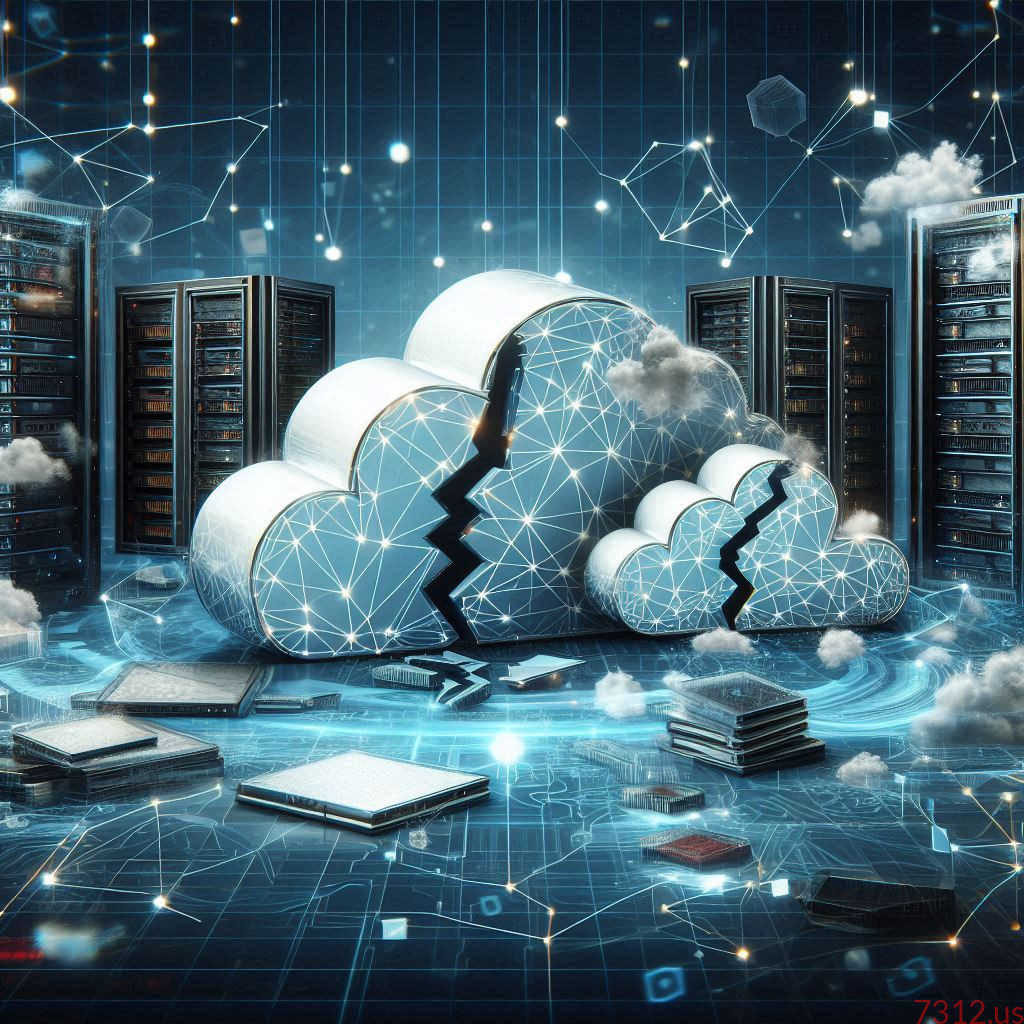
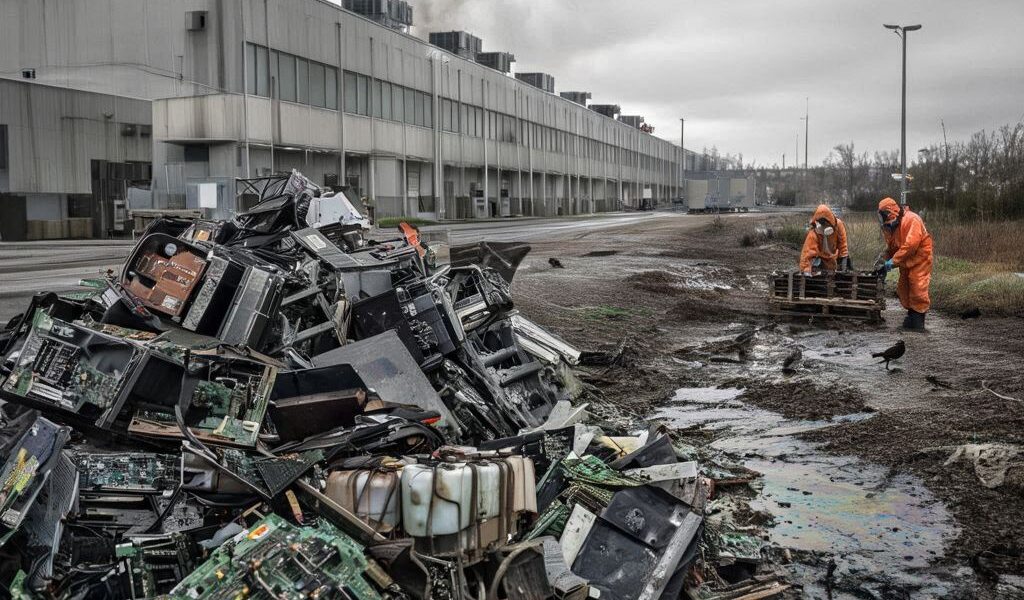
Large-scale data centers, especially hyperscale facilities supporting cloud computing and AI workloads, produce substantial electronic waste (e-waste) due to the rapid procurement, deployment, and decommissioning of hardware. The risks associated with this e-waste can be decomposed into environmental, human health, regulatory, and operational dimensions.
1. Environmental Risks
- Toxic contamination: Servers, storage devices, and networking components contain hazardous substances such as lead, mercury, cadmium, and brominated flame retardants. Improper disposal can leach these chemicals into soil and water systems, polluting ecosystems and harming wildlife ( , ).
- Volume of e-waste: Large-scale data centers generate enormous amounts of e-waste. Estimates suggest 1.2–5 million metric tons of discarded hardware annually by 2030, particularly with the rise of AI workloads ( , , ).
- Resource depletion: Manufacturing replacement hardware requires rare earth metals and high-energy manufacturing processes, contributing to environmental degradation and ecosystem disruption ( , ).
- Landfill burden: Improper disposal results in vast quantities of hardware ending up in landfills, further impacting environmental sustainability ( , ).
2. Human Health Risks
- Chemical exposure: Workers in informal recycling operations, often in developing regions, may be exposed to neurotoxic or carcinogenic substances during dismantling ( , ).
- Data-related hazards: Drives containing sensitive personal or corporate data pose indirect security risks if not sanitized, compounding social risks tied to human health by potential misuse of information ( , ).
3. Lifecycle and Operational Risks
- Short hardware lifespans: Servers and GPUs often have lifespans of 3–5 years, driven by rapid technological innovation in AI and cloud services ( , , ).
- Rapid refresh cycles: Updates for AI processing, higher computational loads, or energy-efficient replacements accelerate the rate of e-waste generation ( , ).
- Inefficient lifecycle management: Without strong asset refurbishment, modular design, and secure IT asset disposition (ITAD) policies, unlikely waste streams continue and environmental costs compound ( , , ).
4. Regulatory and Compliance Challenges
- Global standards: Data centers must adhere to frameworks such as the EU WEEE Directive, US RCRA, TSCA, and certifications like e-Stewards to mitigate e-waste risks ( , ).
- Data security compliance: Secure disposal is mandated by standards including NIST 800-88 and DoD protocols, creating interplay between e-waste management and legal obligations ( , ).
- Uneven global enforcement: Inconsistent regulations across countries can lead to illegal e-waste exports or unsafe recycling practices ( , ).
5. Mitigation Strategies
- Extended hardware lifecycles: Refurbishment, resale, and component-level upgrades reduce the frequency of full-server replacement ( , ).
- Circular economy implementations: Reuse, modular designs, and recovery of valuable metals substantially reduce material waste ( , ).
- Certified ITAD services: Partnering with accredited providers ensures environmentally responsible recycling while safeguarding data ( , ).
- Energy-efficient optimization: AI-driven load management and dynamic resource allocation can indirectly reduce e-waste by minimizing over-provisioning of hardware ( , ).
Conclusion
E-waste represents one of the most pressing environmental and operational risks of large-scale data centers. The rapid turnover of servers, storage, and networking equipment exposes ecosystems and human health to toxic materials, strains regulatory compliance, and contributes to resource depletion. Integrated mitigation approaches—including secure disposal, lifecycle extension, circular economy practices, and regulatory compliance—are essential to limit these risks while maintaining data center performance and meeting sustainability objectives.
Sources indicate that failure to address these risks could result in a projected explosive growth of e-waste, especially from AI-driven infrastructure, potentially reaching up to 5 million metric tons annually by 2030 ( , ).
Sources:
1. https://ncsglobalinc.com/insights/e-waste-in-data-centers/
2. https://study.sustainability-directory.com/learn/what-are-the-e-waste-and-hardware-lifecycle-challenges-associated-with-large-cloud-data-centers/
3. https://www.datacenterknowledge.com/green-materials/ticking-time-bomb-ai-data-centers-and-the-looming-e-waste-crisis
4. https://datacentremagazine.com/articles/navigating-and-addressing-the-data-centre-e-waste-crisis
5. https://shunwaste.com/article/how-can-data-centers-affect-the-environment
6. https://www.ehn.org/ai-data-center-energy-use
7. https://www.lexology.com/library/detail.aspx?g=c04b78a6-1ed0-463e-9fe3-65a9c76cf6dd
9. https://www.ecogenezap.in/environmental-impact-of-big-data-centers/
10. https://www.thedigitalspeaker.com/generative-ai-ewaste-crisis-data-centers/