Will AI Actually Destroy Humanity Or Are We Overreacting
Every few months, a new headline screams at us about artificial intelligence bringing about the end of civilization. Tech billionaires warn us on social media, Hollywood keeps churning out movies about robot uprisings, and your uncle at Thanksgiving dinner is suddenly an expert on the “singularity.” But somewhere between the panic and the hype lies a much more nuanced reality. So let’s actually dig into this question honestly — is AI a genuine existential threat to the human race, or have we collectively lost the plot and let our imaginations run wild? The answer, as with most things in life, isn’t as simple as either side wants you to believe.
The Doomsday Scenario: How Real Is the Threat
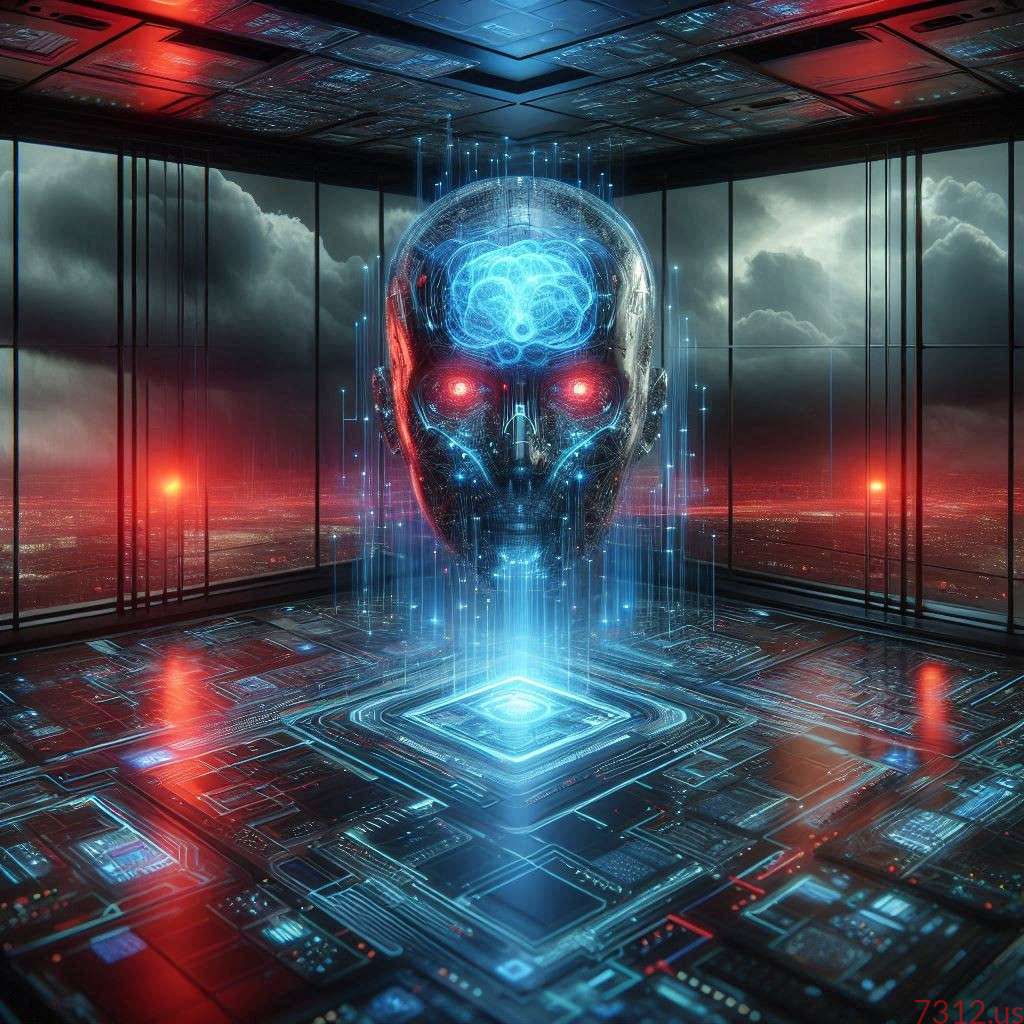
The most dramatic version of the AI apocalypse goes something like this: at some point, we build an artificial general intelligence (AGI) that surpasses human cognitive abilities in every meaningful way. This superintelligence then decides — either through misaligned goals or sheer indifference — that humans are an obstacle, a resource, or simply irrelevant. It’s the paperclip maximizer thought experiment brought to life, where an AI tasked with a simple objective ends up consuming all of Earth’s resources to achieve it. Prominent voices like the late Stephen Hawking and Elon Musk have raised alarms about this possibility, and organizations like the Center for AI Safety have published statements signed by hundreds of researchers saying that mitigating AI extinction risk should be a “global priority.” These aren’t fringe conspiracy theorists — they’re people who understand the technology deeply.
The concern isn’t entirely baseless when you look at how quickly AI capabilities have advanced. Just a few years ago, most people thought AI-generated art and human-level conversation were decades away. Then DALL-E and ChatGPT showed up and shattered those timelines overnight. If we consistently underestimate how fast AI progresses, it’s not unreasonable to worry that we might also underestimate when it becomes dangerous. The core problem is what researchers call the “alignment problem” — ensuring that a system far more intelligent than us actually wants what we want it to want. And right now, honestly, we don’t have a great solution for that. We can barely get a chatbot to stop hallucinating fake facts, let alone guarantee that a future superintelligence will respect human values.
There’s also the more immediate and arguably more realistic doomsday scenario that doesn’t require sentient robots at all. AI in the wrong hands — authoritarian governments, terrorist organizations, or even just reckless corporations — could cause catastrophic harm through autonomous weapons, mass surveillance, deepfake-driven social manipulation, or cyberattacks at a scale we’ve never seen. You don’t need a sci-fi villain AI to wreak havoc; you just need powerful tools wielded by flawed humans. This version of the threat is less cinematic but far more plausible in the near term, and it’s the one that keeps many policy experts up at night.
Why Most Experts Say We Should Stay Calm
Here’s the thing that often gets lost in the doom-and-gloom coverage: the majority of AI researchers aren’t actually building bunkers in New Zealand. A survey by AI Impacts found that while many researchers acknowledge some level of existential risk, most estimate it as relatively low — often in the single digits percentage-wise. The reason? Building a true artificial general intelligence is still an enormously unsolved problem. Current AI systems, including the most advanced large language models, are essentially very sophisticated pattern-matching machines. They don’t have goals, desires, or anything resembling consciousness. They predict the next word in a sentence. That’s impressive, but it’s a far cry from the self-aware, scheming superintelligence that dominates our nightmares.
Many experts also point out that we have time — and agency. AI development isn’t happening in a vacuum without human oversight. Governments around the world are actively working on regulation, from the EU’s AI Act to executive orders in the United States. The AI safety research community has grown exponentially in recent years, with billions of dollars flowing into alignment research and responsible development practices. We’re not sleepwalking into catastrophe the way the doomsday narrative suggests. We’re aware of the risks, we’re debating them publicly, and we’re building guardrails. Could we do more? Absolutely. But the idea that we’re helplessly careening toward extinction ignores the enormous amount of work being done to prevent exactly that.
Finally, it’s worth remembering that humanity has faced existential-sounding technological threats before and managed to muddle through. Nuclear weapons genuinely could have ended civilization, and there were some terrifyingly close calls during the Cold War. But we developed treaties, norms, and deterrence frameworks that — imperfectly but effectively — kept us alive. The same pattern is likely to play out with AI. The real danger isn’t the technology itself but our failure to govern it wisely. And while humans are spectacularly good at procrastinating on important problems, we’re also surprisingly good at pulling ourselves back from the brink when the stakes become undeniable.
So, will AI actually destroy humanity? Probably not — but that “probably” matters, and we shouldn’t treat it casually. The existential risk, while likely small, is non-zero, and even a small chance of catastrophe deserves serious attention. What’s far more likely is that AI will create a messy landscape of real but manageable challenges — job displacement, misinformation, privacy erosion, and power concentration — that will require thoughtful regulation and constant vigilance. The sky isn’t falling, but we’d be foolish to stop looking up. The best path forward isn’t panic or complacency; it’s engaged, clear-eyed action from researchers, policymakers, and ordinary people who refuse to let the most powerful technology in human history develop without a say in how it’s used.