Why Tech Needs Experienced Older Engineers in Charge
In the fast-moving world of technology, youth often takes the spotlight—startups founded by twenty-somethings and innovation driven by a relentless pace. But behind every stable, reliable, and secure system stands something less glamorous but far more essential: experience. As technology becomes more central to our daily lives, from finance to infrastructure, the role of older engineers and leaders—especially those beyond fifty—has never been more crucial. Their wisdom, patience, and broad perspective form the backbone of a tech industry that desperately needs steadiness amid constant disruption.
Why Tech Thrives with Seasoned Engineers at the Helm
The tech industry worships speed. Fast releases, rapid scaling, and lean methodologies dominate boardroom discussions. Yet, what many overlook is that rapid progress without informed direction can lead to catastrophic missteps. Older engineers, those who cut their teeth on mainframes and early networks, bring a sense of structural discipline that startups often lack. They’ve lived through the consequences of technological shortcuts and system failures, and that experience instills a maturity that no crash course can teach. Their ability to foresee long-term challenges often saves companies from collapses rooted in hasty engineering decisions.
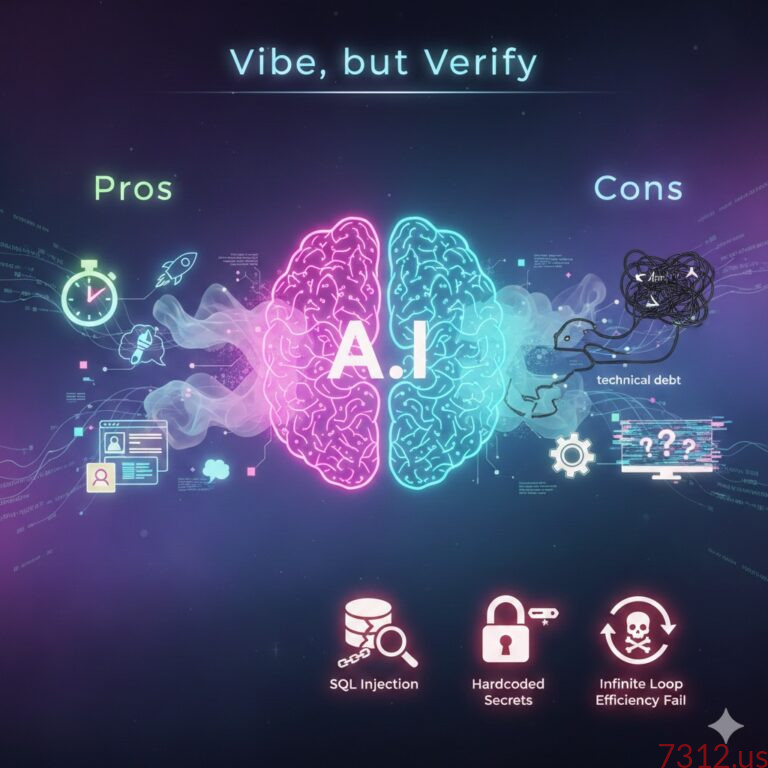
Moreover, seasoned engineers don’t just understand code—they understand context. They’ve seen programming paradigms come and go, from assembly to object-oriented to cloud-based architectures. This long-view thinking helps companies avoid getting caught in short-term fads that drain resources. While young developers bring excitement and new ideas, it’s the older professional who knows how to integrate that innovation sustainably. They act not as gatekeepers but as caretakers of technological continuity, ensuring that bright ideas don’t fizzle out in technical debt or security disasters.
In leadership positions, especially those held by individuals in their fifties and beyond, empathy and resilience often replace ego. These leaders have learned to balance ambition with pragmatism. Their “grumpiness,” often a sign of impatience with inefficiency rather than negativity, is what keeps teams grounded in reality. In fact, that critical eye—the refusal to accept “good enough”—is what ensures the robustness of products and systems. In many ways, the so-called “grumpy older engineer” is the quality conscience of modern technology.
Cybersecurity’s Strongest Shield Is Experience
Cybersecurity is where experience becomes not just valuable but lifesaving. With cyber threats growing ever more sophisticated, it’s not enough to rely on recently trained analysts or automated defense systems. Those over fifty who have spent decades wrestling with network vulnerabilities and system exploits possess intuitive pattern recognition and historical knowledge of threat evolution. They’ve seen how adversaries adapt, how small oversights lead to massive breaches, and—most importantly—how to architect defenses that stand the test of time.
Mature cybersecurity leaders understand that real protection isn’t built from reaction but anticipation. It’s a game of foresight, requiring both a deep technical foundation and a cautious, almost skeptical mindset. Younger professionals often bring fresh ideas, but older experts bring the caution necessary to filter those ideas into practical, safe strategies. Their insistence on documentation, protocol discipline, and redundancy isn’t outdated bureaucracy—it’s the product of hard lessons learned from past breaches. In this field, the wisdom of experience often makes the difference between a minor incident and a full-scale crisis.
At the executive level, fifty-year-old CISOs and senior engineers also serve as cultural anchors. They bring stability to teams, model integrity under pressure, and remind younger staff that cybersecurity is as much about mindset as it is about technology. They also command a level of trust from stakeholders and regulators who expect maturity in managing risk. In an era where attacks are global and cyberwarfare is a geopolitical constant, having veteran engineers and leaders in charge is perhaps the most strategic defense choice a company can make.
In the end, technology’s future depends not on perpetual youth but on balancing innovation with wisdom. Older engineers, so often dismissed as “out of touch,” are in fact the industry’s most reliable compass. Their experience turns chaos into structure, and their leadership ensures that brilliance doesn’t burn out before making an impact. Especially in cybersecurity, where every mistake can cost millions, entrusting leadership to those who’ve already learned—often the hard way—what can go wrong is not just smart business. It’s survival.