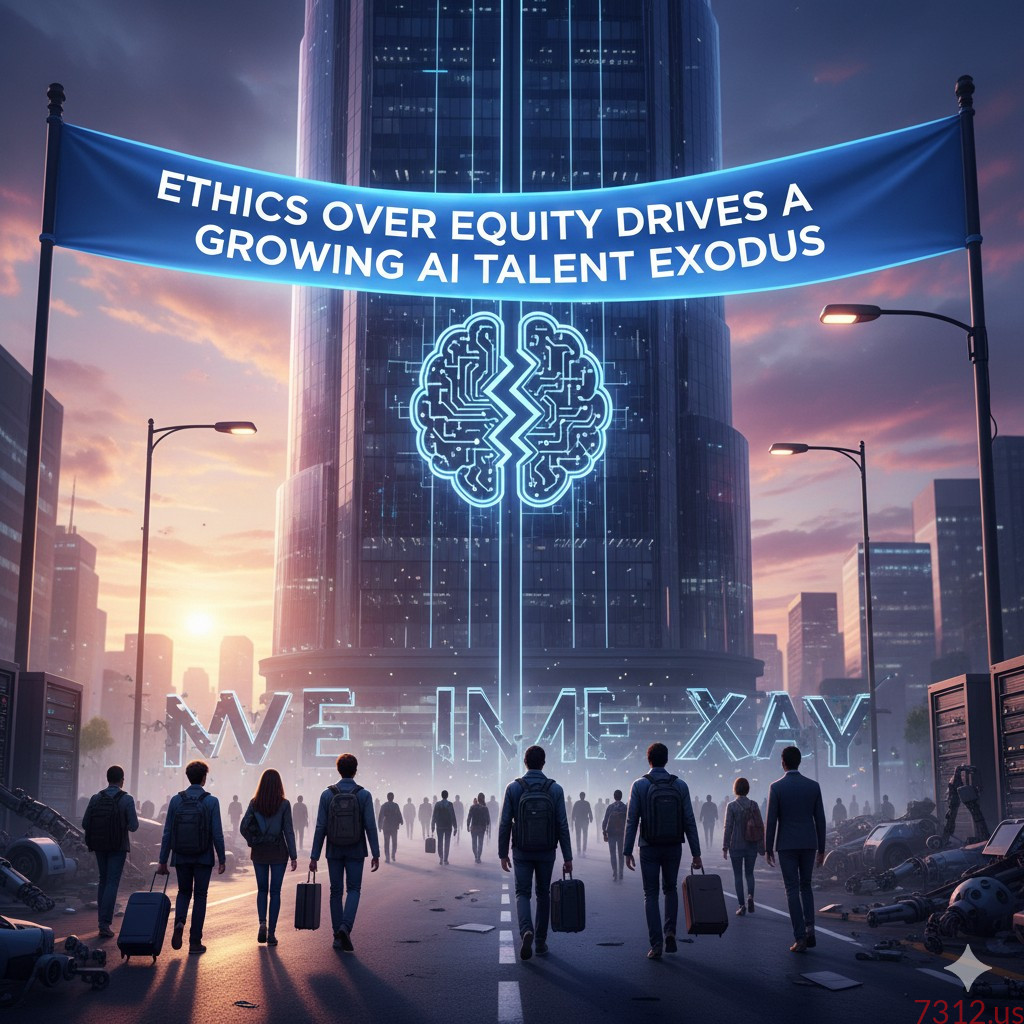
Why AI Researchers Are Walking Away From Big Tech
The following prompt was used: Review https://www.linkedin.com/news/story/reading-between-the-lines-of-tech-workers-exit-letters-7652153/ and explain why AI researchers are submitting their resignation. State an opinion about their reasons for leaving.
Something unusual is happening in Silicon Valley and beyond. Some of the brightest minds in artificial intelligence — people who helped build the very systems now reshaping our world — are packing up their desks and walking out. These aren’t disgruntled junior employees chasing better salaries. They’re senior researchers, ethics leads, and safety-focused engineers who once believed they could change Big Tech from the inside. Their exit letters, posted on LinkedIn and personal blogs, tell a story that’s hard to ignore: the gap between what these companies say about responsible AI and what they actually do is becoming too wide for some people to stomach. Understanding why they’re leaving matters — not just for the tech industry, but for anyone who will be affected by the AI systems these companies deploy, which is, increasingly, all of us.
When Conscience Clashes With Corporate AI Goals
There’s a growing tension at the heart of major tech companies, and it centers on a deceptively simple question: how fast should we move? AI researchers who joined organizations like Google, Microsoft, and OpenAI often did so because they genuinely believed in the potential of the technology to do good. They wanted seats at the table where decisions were being made. But many have discovered that when safety recommendations slow down product launches or threaten revenue streams, those recommendations get quietly shelved. The business imperative to ship fast and dominate the market doesn’t pause for ethical hand-wringing.
What makes this clash so painful is that it’s not abstract. These researchers aren’t debating philosophy over coffee — they’re watching real decisions get made that they believe could harm real people. When an AI safety team flags a model’s tendency to generate misinformation or exhibit racial bias, and leadership responds by dissolving the team or rebranding it under a less confrontational name, the message is clear. The conscience of the individual researcher becomes a liability rather than an asset. Several high-profile departures in recent years, including former members of Google’s Ethical AI team and safety-focused staff at OpenAI, have made this dynamic painfully public.
In my opinion, the fact that these researchers feel compelled to leave — rather than being empowered to stay and do their work — is one of the most damning indictments of Big Tech’s approach to AI governance. Companies love to trumpet their “responsible AI” initiatives in press releases and keynote speeches. But responsibility means very little if the people tasked with enforcing it are systematically undermined. When your best safety researchers are walking out the door, you don’t have a hiring problem. You have a culture problem. And no amount of rebranding will fix it.
Reading Between the Lines of Tech Exit Letters
The exit letters and LinkedIn posts from departing AI researchers have become a genre unto themselves, and reading them carefully reveals patterns that go beyond individual grievances. As highlighted in discussions around tech workers’ exit letters on LinkedIn, these aren’t impulsive rants. They’re measured, often carefully worded documents that hint at far more than they explicitly say. Many researchers are bound by NDAs and severance agreements, which means the most alarming details are precisely the ones they can’t share. When someone writes that they “could no longer align their personal values with the direction of the organization,” that diplomatic language is often doing enormous heavy lifting.
What’s particularly striking is the consistency of the themes. Across different companies and different roles, the same concerns surface again and again: a lack of transparency about how AI models are trained and deployed, the marginalization of internal dissent, the prioritization of speed over safety, and a creeping sense that leadership views ethics teams as PR shields rather than genuine checks on power. Some departing researchers describe being asked to rubber-stamp decisions that had already been made, turning what should have been a rigorous review process into performative theater. Others talk about watching their warnings get buried in internal communications, only to see the exact problems they predicted make headlines months later.
Reading between the lines, what emerges is a picture of an industry at a crossroads — and one that is, so far, choosing the wrong path. These exit letters aren’t just personal statements; they’re warning signals. Every researcher who walks away takes institutional knowledge, credibility, and moral authority with them. The companies they leave behind become a little less capable of self-correction and a little more likely to barrel ahead unchecked. I believe history will look back on these departures as canaries in the coal mine. The question isn’t whether we should take these exit letters seriously. The question is whether we’re taking them seriously enough — and whether the companies losing these people have any real intention of listening before it’s too late.
The exodus of AI researchers from Big Tech isn’t a trend that should be normalized or dismissed as the natural churn of a competitive industry. These are people who dedicated years of their careers to making AI safer, fairer, and more transparent — and they’re telling us, in the most definitive way possible, that they’ve lost faith in their employers’ willingness to do the same. Their departures should serve as a wake-up call, not just for the companies they’re leaving, but for regulators, investors, and the public. If the people who understand these systems best don’t trust the organizations building them, the rest of us should be asking very hard questions about why we do.