Why AI Researchers Are Leaving Tech Companies
The following prompt was used: Review https://www.linkedin.com/news/story/reading-between-the-lines-of-tech-workers-exit-letters-7652153/ and explain why AI researchers are submitting their resignation. State an opinion about their reasons for leaving.
The tech industry has long been the epicenter of artificial intelligence innovation — attracting some of the brightest researchers on the planet. Yet, a noticeable shift is underway. Leading figures in AI are resigning from prestigious tech companies, citing frustration, ethical dilemmas, and creative stagnation. Their exit letters, often shared on platforms like LinkedIn, reveal a deep tension between research ideals and corporate realities.
Inside the Exodus: Why AI Experts Are Quitting
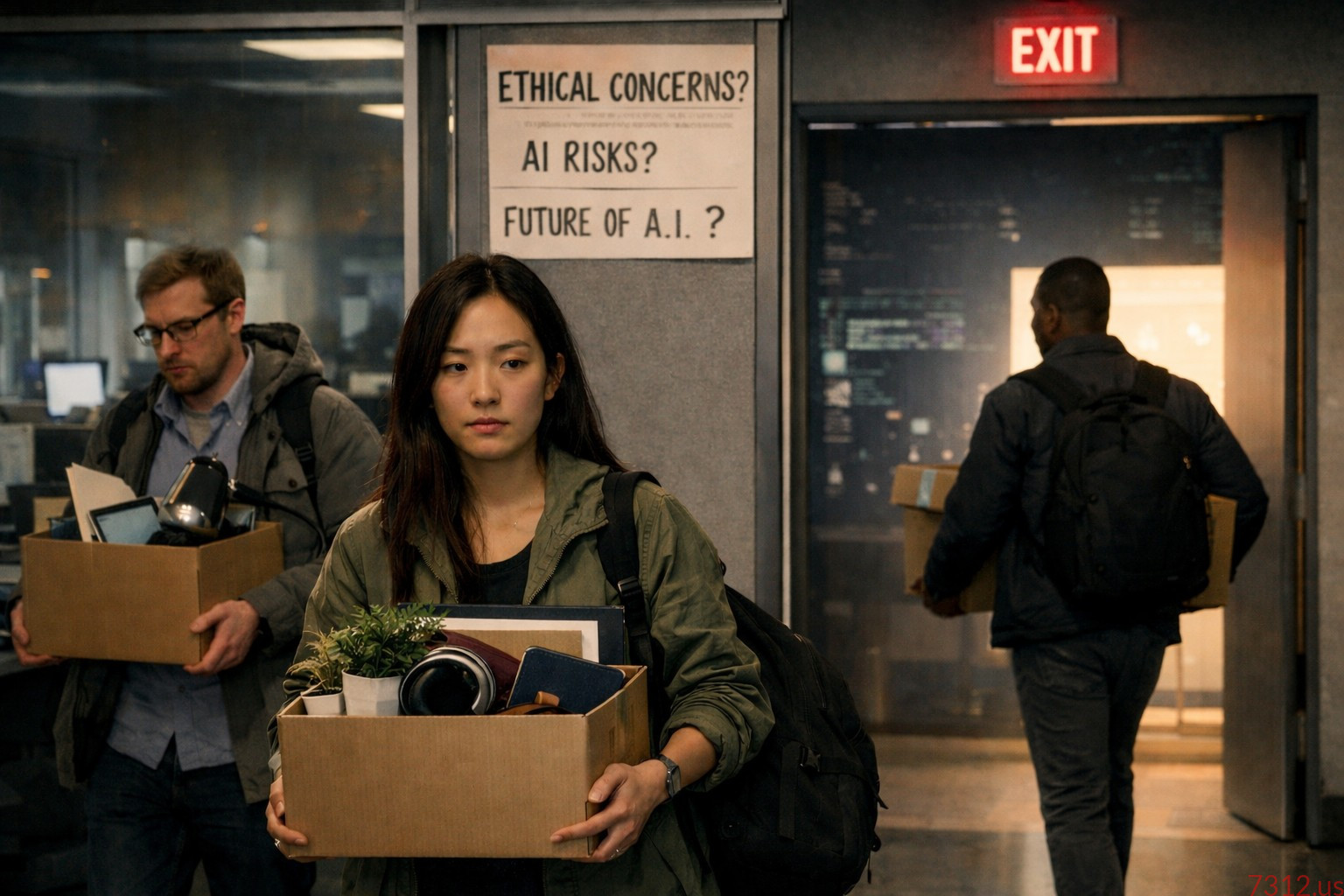
Many AI researchers are leaving tech companies because their work has become increasingly shaped by business needs rather than pure scientific curiosity. In their exit announcements, several have suggested that research agendas are being tightly controlled by commercial priorities—pushing for quick product integration instead of long-term exploration. For those who thrive on academic freedom and experimentation, the corporate environment can feel both restrictive and disheartening.
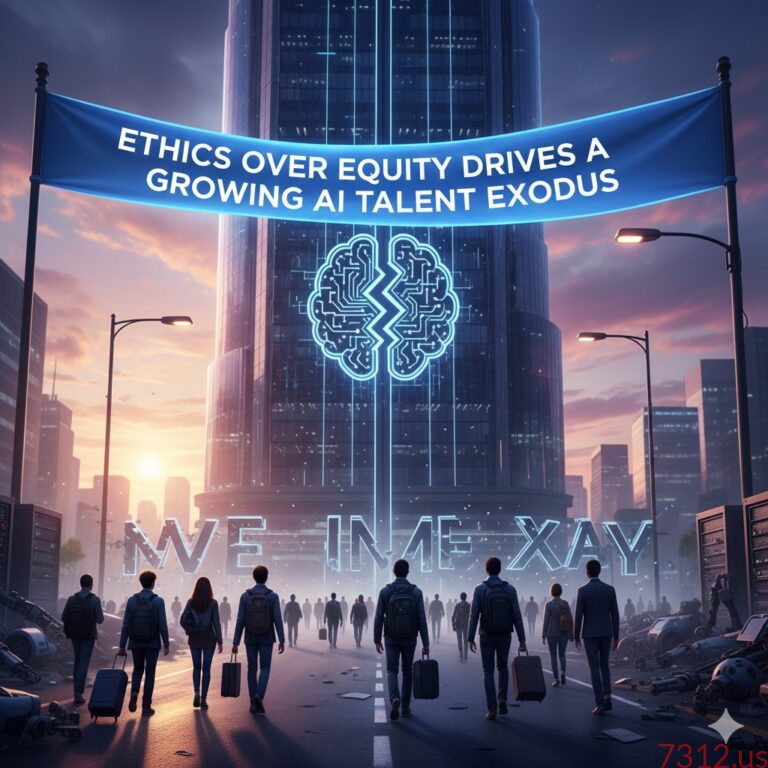
Another common theme emerging from these departures is ethical disillusionment. Many researchers voice discomfort over how their innovations are being used—whether for data-harvesting business models, surveillance systems, or generative tools deployed without adequate safeguards. This moral tension has led some to conclude that they can no longer reconcile their values with the profit-driven motivations of their employers. When research is weaponized or misused, the sense of purpose that once fuelled their work can evaporate.
Lastly, burnout and bureaucracy have also played a major role. What was once a research-driven environment has, for many, become a web of corporate politics, endless meetings, and layers of management. The rapid pace of AI deployment leaves little room for thoughtful reflection or balanced pacing. As open letters and interviews reveal, these experts crave time to innovate deeply—time they increasingly can’t find within tech giants’ high-pressure ecosystems.
What Tech’s Talent Drain Reveals About Its Future
The departure of AI researchers signals more than a temporary labor shift—it reveals how the AI field is evolving. Tech companies, once seen as the cutting edge of innovation, now risk losing credibility as spaces for independent inquiry. This could push talented minds back toward academia, startups, or independent research groups, reshaping where the next breakthroughs emerge. The boundaries between corporate and academic AI ecosystems may soon blur in unexpected ways.
There’s also a growing public awareness that innovation can’t thrive in environments dominated by profit alone. When the brightest scientists feel constrained or ethically conflicted, it’s a sign that the system is out of balance. Some industry leaders have started emphasizing “responsible AI,” but translating that phrase into practice remains slow and inconsistent. The talent drain is forcing tech companies to confront hard questions about how they treat both people and principles.
In my view, this wave of resignations is less a rejection of technology itself and more a call for realignment. Researchers are affirming that AI progress should serve humanity, not just shareholders. By stepping away, they are challenging the industry to rebuild trust, transparency, and integrity. The moment AI experts stop accepting the status quo, the industry’s future may begin to shift in the direction it truly needs: toward innovation guided by ethics as much as ambition.
The exodus of AI researchers from big tech isn’t simply a career reshuffle—it’s a statement of conscience. Their reasons for leaving point to an industry struggling to balance profit, ethics, and authentic innovation. If tech companies fail to listen, they risk losing not only their talent but also their moral compass. But if this moment sparks reflection and reform, it might just pave the way for a more responsible and inspired era of AI development.