When Robots Hold the Line and India Saves the Day
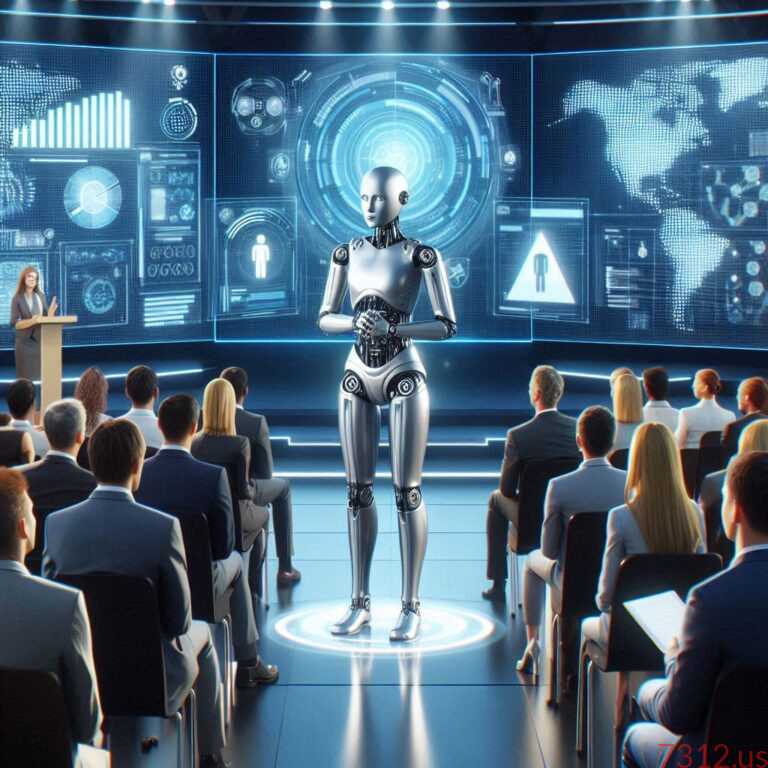
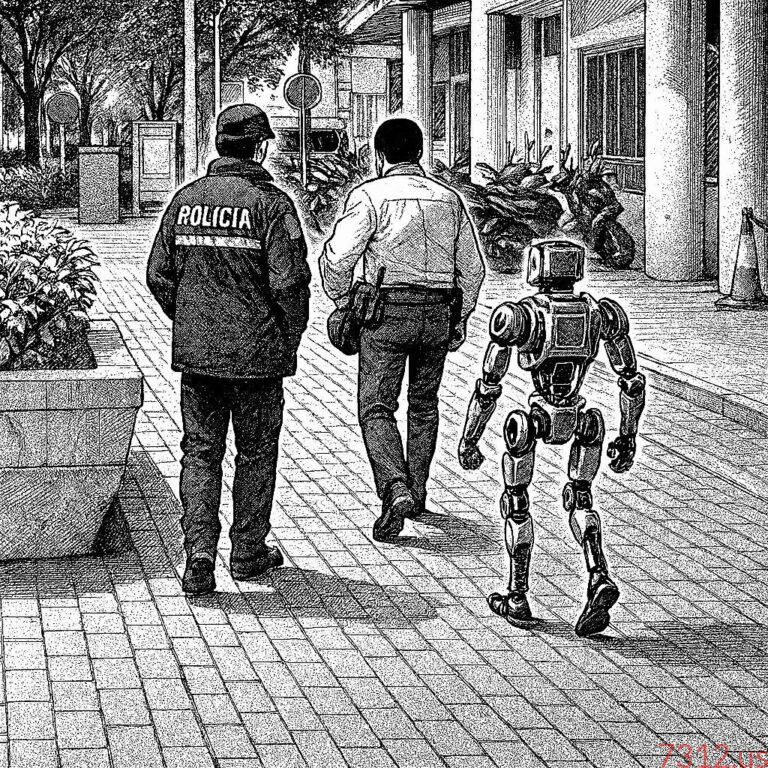
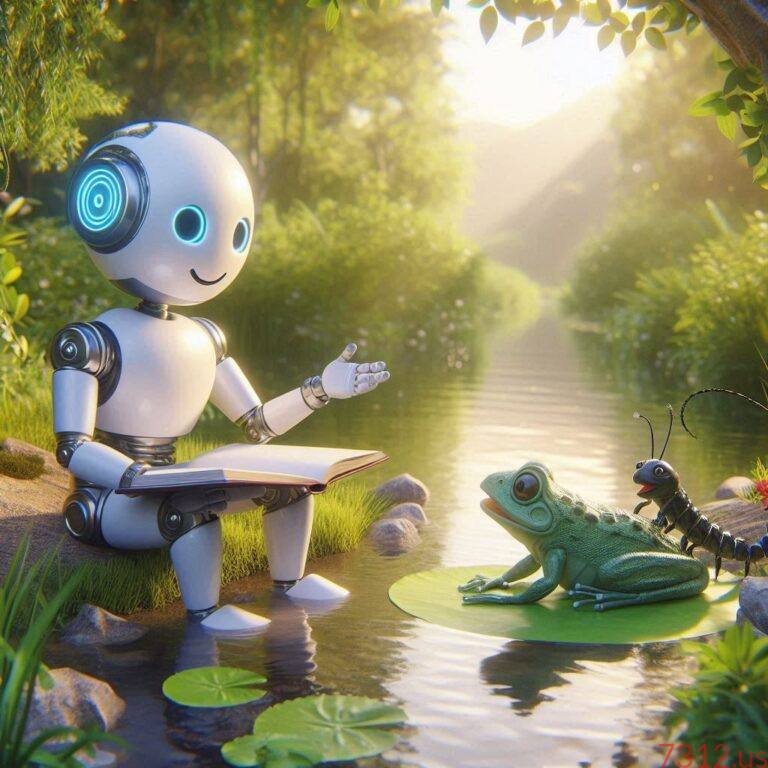
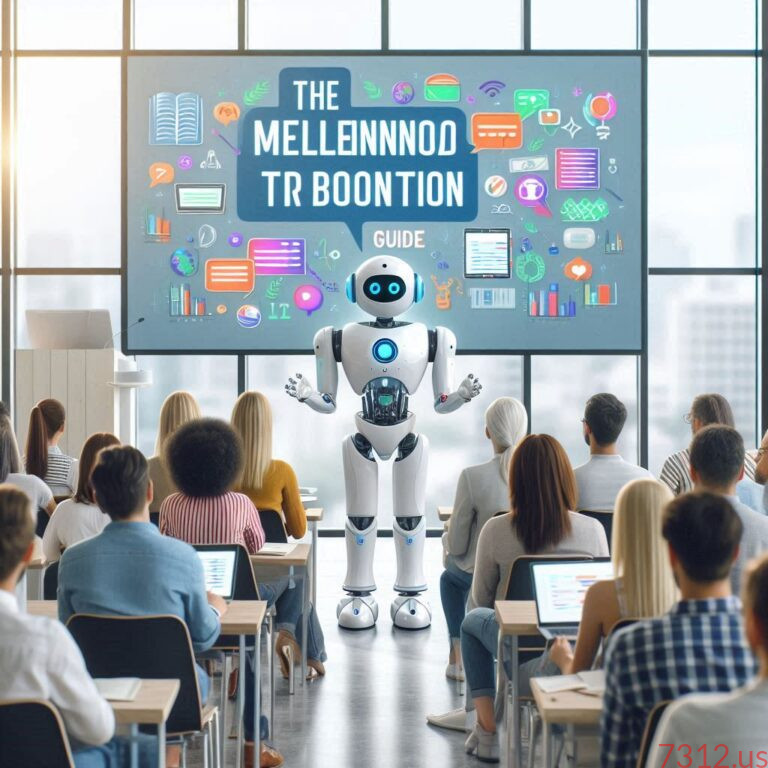
In an era where machines promise efficiency, cost savings, and the occasional unsolicited weather update, many companies have turned to AI-driven help desk systems to manage customer queries. The idea was simple: Replace frazzled human operators with tireless, ever-polite robots that never need coffee breaks or dental insurance. What could possibly go wrong? Spoiler alert—everything. When the robots began taking the calls, chaos ensued, frustration reached record-breaking decibel levels, and somewhere in Mumbai, a headset-wearing hero sighed, rolled up their sleeves, and prepared to save the day.
When Metal Minds Malfunction on the Help Desk Line
The trouble began when corporations handed the customer support lines over to “digital assistants” with names that sounded suspiciously cheerful—names like Chip, Byte, or Ava. These new attendants spoke in calm, measured tones that suggested infinite patience, yet they possessed the collective troubleshooting wisdom of a confused toaster. Ask a simple question like, “Why won’t my Wi‑Fi connect?” and the bot would respond by politely reading Wikipedia’s definition of Wi‑Fi in seventeen languages. After its recital, it would conclude with, “Did that solve your problem?” To which millions of exasperated customers around the world collectively screamed, “No!”
The so‑called artificial intelligence systems were designed to learn from interactions, but they mostly learned how to misunderstand humans with greater variety. When a customer mentioned that their laptop “wasn’t booting,” the AI thought it had been invited to discuss footwear. “I can recommend several comfortable boots for your journey,” it would chirp, linking to an online shoe store. Meanwhile, the actual tech problem remained unsolved, and the human on the other side began questioning every life choice that led to this moment.
It wasn’t just a matter of small misunderstandings; it was a full-blown communication breakdown between flesh and circuitry. The robotic agents excelled at politeness but lacked the one resource humans bring naturally to the table: empathy infused with exasperation. A seasoned human tech supporter knows when to sigh sympathetically and when to kindly ask, “Have you tried turning it off and on again?” Robots, on the other hand, respond with “I apologize, Dave, I can’t let you do that,” which does nothing for morale and even less for Wi‑Fi connectivity.
How India’s Tech Wizards Restore Sanity and Wi‑Fi
Enter the cavalry—or, as the global community calls them, India’s tech support experts. Across bustling offices in Bengaluru, Pune, and Hyderabad, thousands of professionals quietly come to the rescue of frustrated customers and their misbehaving devices. When the AI systems crash and burn in a digital heap, these real humans pick up the line, offering patience, humor, and occasionally, life advice. Their empathy levels are off the charts, and their ability to decipher vague customer complaints (“My computer is making a sad noise”) borders on superhuman.
What sets these Indian tech mavens apart isn’t just their technical acumen, but their emotional intelligence. They understand that when someone calls support, it’s never just about the device—it’s about the panic of missing a deadline, the terror of a frozen screen, or the despair of realizing your smart TV has become dumber than a paperweight. Indian tech professionals effortlessly combine calm reassurance with precise problem-solving. Within minutes, Wi‑Fi hums, printers awaken from digital comas, and the once‑fuming callers are transformed into grateful believers once again.
Corporate leaders, after painful reflection, realized that technology can handle many things, but the delicate art of troubleshooting a frantic human remains best left to another human. Thus began the quiet resurgence of Indian tech support centers—blending humanity, expertise, and humor in a way that no algorithm could replicate. When robots fail spectacularly, India doesn’t just step in; it steps up, armed with both brains and empathy, ensuring that the world stays connected and (mostly) sane.
In the eternal tug‑of‑war between efficiency and empathy, machines may process faster, but humans—especially those powering India’s tech support industry—simply connect better. While AI help desks continue to misunderstand, misfire, and melodramatically insist that everything is fine, real people still save the day. Perhaps someday, robots will master the art of compassion and timing a good joke. Until then, when the metallic voices falter and your screen goes blue, you can bet that a calm, confident voice from halfway around the world will fix both your Wi‑Fi and your faith in humanity.