The Coming Shift How AI Threatens White Collar Jobs
Artificial Intelligence (AI) is no longer just a tool that automates basic tasks—it has become an engine that threatens to upend entire sectors once thought immune to automation. Recent analyses, including the provocative article “When Will AI Kill White Collar Office Jobs? 18 Months, Says Microsoft’s Mustafa Suleyman” published by Fortune in February 2026, have sparked renewed debate about the precarious future of white-collar work. This conversation is not just about replacing workers—it’s about redefining expertise, skill, and even human identity in a world where machines can reason, write, and analyze as efficiently as people. The following is a critical examination of the claims and implications of that article, exploring how AI technology is accelerating a structural shift across professional occupations.
The Next White-Collar Disruption Driven by AI
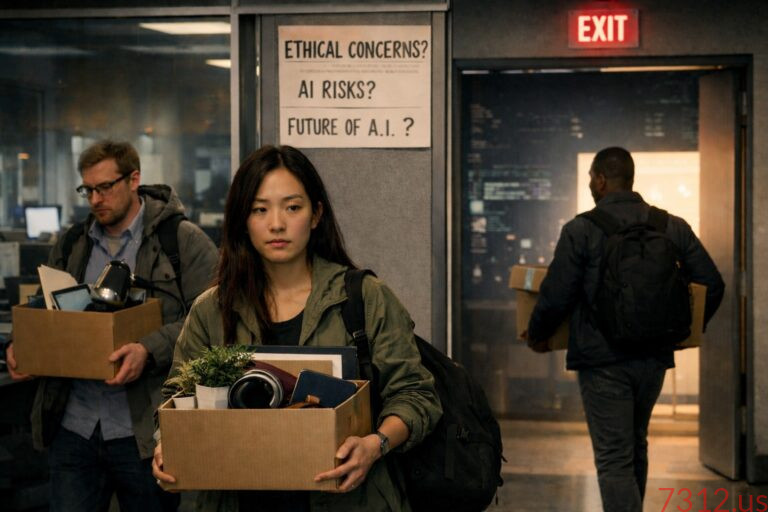
The Fortune article centers around Mustafa Suleyman, the CEO of Microsoft AI, who predicted that within 18 months, a major inflection point would arrive where generative AI systems could automate much of what knowledge workers currently do. This projection is not an idle provocation—it underscores a startling acceleration in AI capability. In fields such as marketing, law, consulting, and finance, generative models are already demonstrating competence in drafting documents, analyzing data, and generating strategic insights once reserved for highly trained professionals. The article adopts a measured but ultimately cautionary tone, suggesting that the implications for millions of workers may be deeper and more immediate than public discourse acknowledges. Unlike earlier waves of automation that displaced manual labor, this time the threat is reaching the desks of the world’s office towers.
Critically, Suleyman’s comments highlight a growing divergence between the technical potential of AI and the institutional readiness to adapt. Large firms are embracing AI not merely as a supplement, but as an eventual replacement for certain categories of analytical and administrative work. Yet what makes his timeline so alarming is its concreteness—“18 months” suggests urgency, not abstraction. The article implies that a subset of professionals, particularly those whose value hinges on processing and formatting information, could see their roles diminished or dissolved far sooner than expected. However, the article also subtly overstates the immediacy of collapse by underplaying the social and regulatory frictions that complicate such transitions. The coming disruption, while inevitable, may unfold in uneven waves rather than a sudden tidal shift.
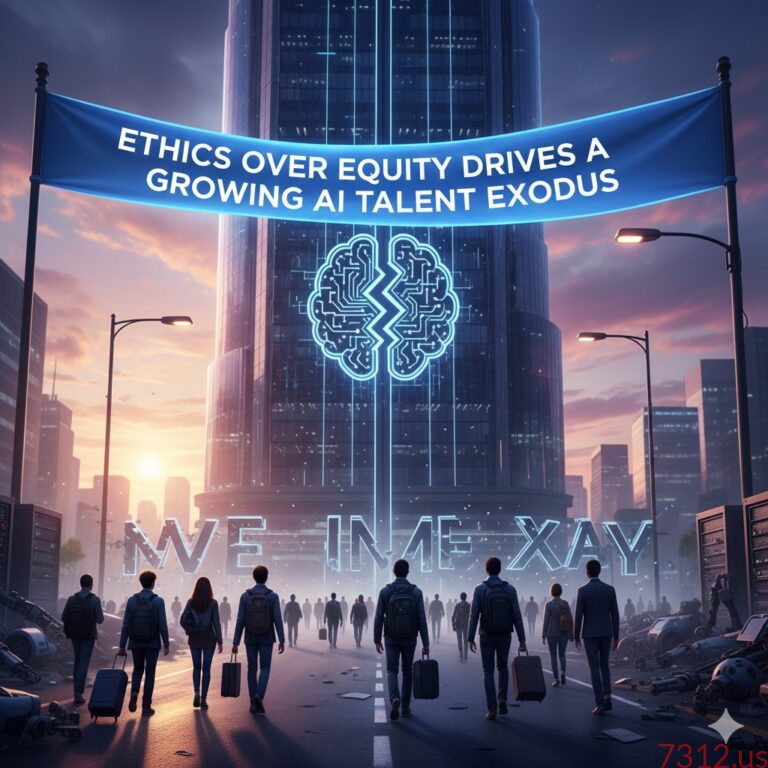
From a critical standpoint, the article excels in capturing the technological momentum but provides less focus on human and ethical factors. For instance, while the piece references new productivity gains, it gives less space to the psychological toll of redundancy or the widening gap between organizations that can afford advanced AI integration and those that cannot. Economic displacement historically engenders political backlash, and this time it could reshape the narrative of white-collar work as a measure of stability and respectability. The Fortune article reads as both forecast and warning: AI is coming not for factory workers, but for the PowerPoint and spreadsheet elites. Its insight lies in showing that society’s most comfortable occupational strata are, paradoxically, most exposed to their own technological creations.
How Automation Redefines Office Work and Expertise
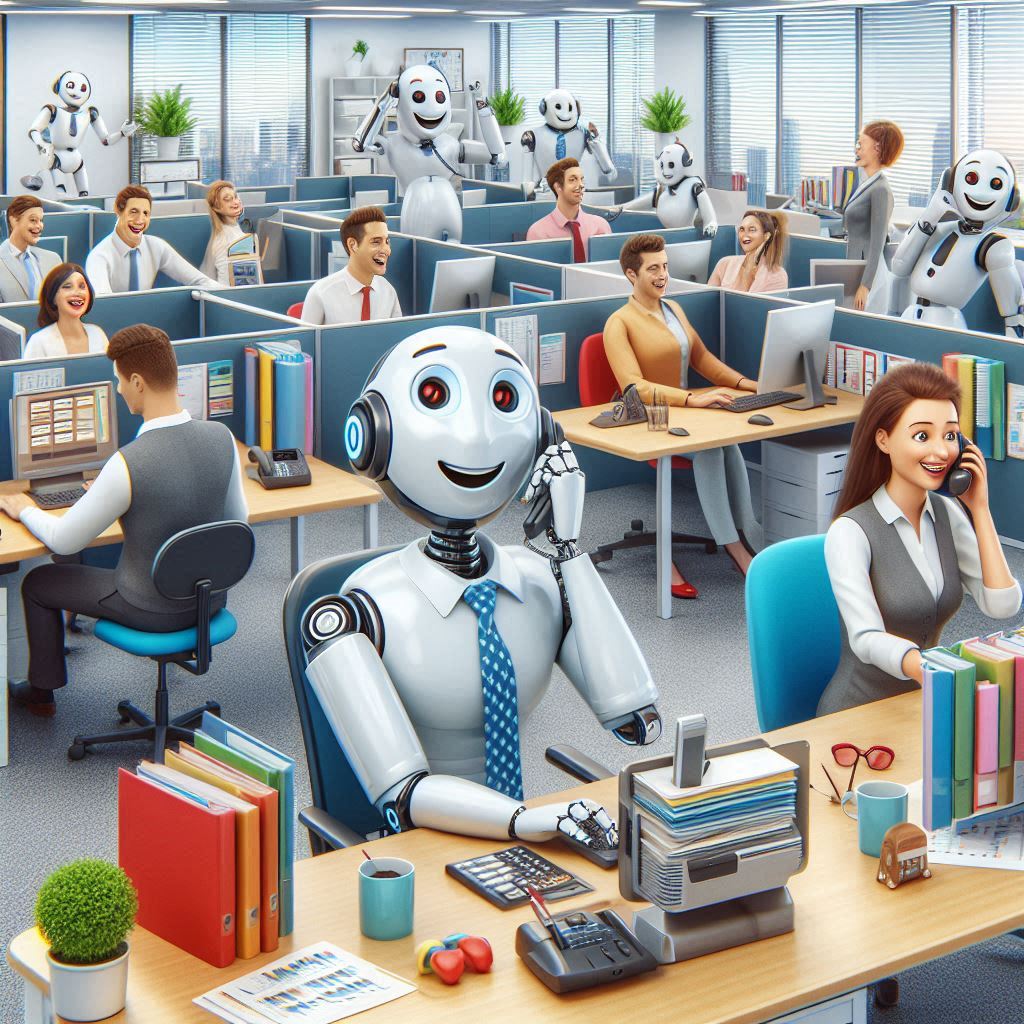
The second major theme explored in the Fortune piece concerns how AI is transforming the very definition of knowledge and professional expertise. Traditionally, expertise in white-collar domains required years of training, credentialing, and accumulated tacit know-how. Yet today’s language models can perform complex reasoning tasks, summarize academic research, and generate business strategies—all with minimal human supervision. This development raises profound epistemic questions: if AI can perform the cognitive labor of experts, then what remains distinctly human about professional work? The article gestures toward this tension but stops short of exploring its full philosophical depth. What’s emerging is a bifurcation between humans as decision-makers and AI as execution engines—a shift that, while efficient, risks hollowing out the creative and interpretive aspects of knowledge work.
A critical reading of the article suggests that “expertise” is now being re-coded into algorithmic fluency rather than domain depth. Office workers of the near future may succeed not through their specialized knowledge, but through their ability to design prompts, evaluate machine output, and integrate automated insights into coherent strategies. This reframing of value challenges conventional hierarchies within companies, as younger, tech-proficient workers may leapfrog traditional authority structures. By emphasizing functionality over formal qualification, AI tools implicitly democratize access to cognitive ability—but they also flatten distinctions that once justified higher professional compensation. The structural effect is a compression of wages and roles, eroding the middle layers of white-collar employment.
The article’s underlying anxiety resonates with historical echoes of earlier industrial shifts. Just as the industrial revolution redefined craftsmanship in favor of mechanized precision, today’s AI wave is industrializing intelligence itself. The piece therefore invites us to reconsider what constitutes meaningful labor in a data-rich, machine-augmented economy. It is likely that new professions will emerge around AI auditing, prompt engineering, and ethical supervision, yet the path to such reinvention is fraught with inequality. The Fortune article’s greatest contribution is its ability to surface this paradox: the same systems promising broad productivity gains could intensify social divisions if workers are left unprepared or undervalued in the process.
The Coming Shift: How AI Threatens White Collar Jobs ultimately echoes a timeless truth about technological revolutions—they disrupt before they stabilize. The Fortune article captures the urgency of Microsoft’s 18-month warning, but the deeper story lies in how institutions, policymakers, and individuals respond to it. The AI revolution is not purely about job elimination; it is about reshaping human purpose within the future of work. As automation ascends, societies will need to cultivate adaptability, reimagine education, and protect the dignity of cognitive labor. Far from being passive casualties, white-collar workers stand at a crossroads—able either to resist or to redefine the meaning of expertise in an age of intelligent machines.